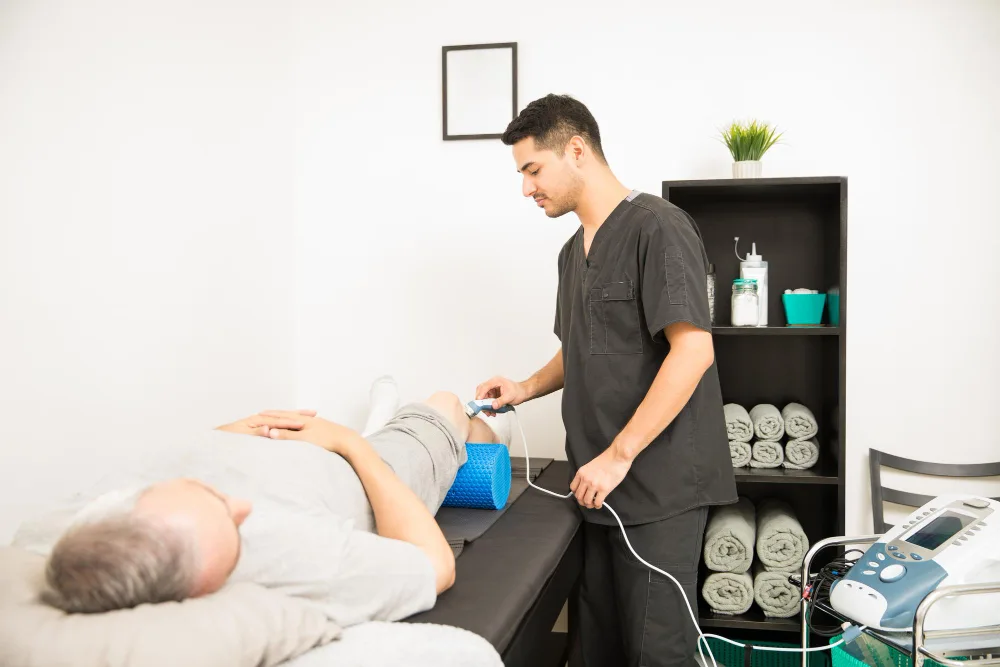
A motor vehicle accident can affect the neck, back, shoulders, knees, and other parts of the body. Symptoms may appear immediately or develop over the following days. Physiotherapy can help address movement restrictions, muscle tension, joint stiffness, balance concerns, and difficulties with everyday activities after a collision.
At Get Back Physiotherapy, our MVA physiotherapy in Long Branch supports people recovering after car accidents, truck collisions, motorcycle incidents, and other motor vehicle-related injuries. Care may include physical assessment, hands-on treatment, therapeutic exercises, mobility work, and progress monitoring based on the person’s condition.
MVA physiotherapy refers to physiotherapy care for injuries and physical limitations related to motor vehicle accidents. The aim is to assess how the collision has affected movement, strength, flexibility, coordination, and daily function.
An assessment may look at:
At Get Back Physiotherapy, MVA physiotherapy in Long Branch can be used for both recent injuries and ongoing symptoms following an accident.
Treatment varies according to the injury and may include manual therapy, therapeutic exercises, stretching, mobility work, strengthening, posture work, and activity-based rehabilitation.
MVA physiotherapy may be suitable for people dealing with physical symptoms following:
You may seek physiotherapy if you notice neck stiffness, back discomfort, headaches, reduced mobility, muscle tightness, weakness, or difficulty carrying out normal activities after a collision.
Some people also seek care when symptoms remain after the initial assessment or when physical function has not returned to its usual level.
Motor vehicle collisions can place sudden stress on muscles, joints, ligaments, and other body structures. Depending on the collision, symptoms can vary considerably.
Common concerns include:
MVA physiotherapy in Long Branch can focus on the physical limitations identified during assessment and track changes throughout the rehabilitation process.
The process begins with a review of your symptoms, accident history, movement patterns, and current physical limitations.
The physiotherapist may assess mobility, strength, flexibility, balance, posture, and functional movement.
Your treatment plan is based on the findings from your assessment. It may include several physiotherapy methods depending on your symptoms and physical status.
Hands-on techniques may be used to address restricted movement, muscle tension, and joint mobility.
Exercises can focus on strength, flexibility, coordination, mobility, and functional movement.
Your exercise program may change as your physical abilities change.
Movement-based exercises can help address stiffness and restrictions affecting the neck, back, shoulders, hips, knees, or other areas.
Treatment can include activities related to everyday movement, workplace tasks, walking, lifting, reaching, and other physical requirements.
Your physical status can be reviewed during follow-up appointments. Treatment may then be adjusted according to changes in symptoms, movement, strength, and daily function.
The first appointment involves discussing the accident, symptoms, medical history, and current difficulties.
The physiotherapist evaluates movement, strength, flexibility, balance, posture, and functional abilities.
The findings are used to establish a treatment plan that addresses the physical issues identified during the assessment.
Sessions may include manual therapy, therapeutic exercises, mobility work, stretching, strengthening, and functional activities.
Your response to treatment is monitored through changes in movement, strength, symptoms, and activity tolerance.
Further sessions may focus on building physical capacity and helping you return to regular daily, work, and recreational activities.
Physiotherapy following a motor vehicle accident may support:
The pace of recovery varies from person to person. Injury severity, existing physical conditions, accident circumstances, activity levels, and consistency with the rehabilitation plan can all influence progress.
Get Back Physiotherapy provides physiotherapy services for people recovering from motor vehicle accidents and related physical injuries.
MVA physiotherapy in Long Branch may be relevant to:
Our team can assess the physical effects of an accident and create a treatment plan based on the findings.
MVA physiotherapy is physiotherapy care for physical injuries and movement limitations associated with motor vehicle accidents. It may address concerns involving the neck, back, shoulders, joints, muscles, balance, strength, and mobility.
The appropriate timing depends on your injuries and medical circumstances. If you have been involved in a collision, seek appropriate medical assessment and discuss physiotherapy with your healthcare provider when needed.
Physiotherapy may address whiplash-related symptoms, muscle strains, joint stiffness, reduced mobility, weakness, balance issues, and other physical limitations associated with a collision.
The duration varies according to injury severity, symptoms, physical function, treatment response, and individual rehabilitation goals. Some people need a short course of care, while others require ongoing sessions.
Referral requirements can vary depending on your circumstances, insurance coverage, and the type of accident claim involved. To discuss your situation and determine the necessary information, contact Get Back Physiotherapy.
Bring relevant medical information, accident-related documentation, imaging reports if available, and details about your current symptoms. Comfortable clothing can also make physical assessment and movement exercises easier.
Physiotherapy may be used as part of rehabilitation for whiplash-related symptoms. Assessment can identify restrictions in neck movement, muscle function, posture, and other physical factors.
People may seek physiotherapy for ongoing physical limitations after an earlier collision. An assessment can help determine whether physiotherapy is appropriate for your current symptoms.
Get Back Physiotherapy serves people searching for MVA physiotherapy in Long Branch and surrounding areas.
Our service area may include communities around Long Branch and the western Toronto area, depending on appointment availability.
People from nearby areas can contact our clinic to ask about appointment availability and service eligibility.
Get Back Physiotherapy focuses on physiotherapy and rehabilitation services for people dealing with physical limitations, injuries, and mobility concerns.
For MVA cases, our approach starts with an assessment of the physical effects of the collision. Treatment can then focus on the specific movement, strength, mobility, and functional concerns identified during the assessment.
MVA physiotherapy in Long Branch at Get Back Physiotherapy may include:
Each stage is connected to the findings from your physical assessment and your progress during rehabilitation.
Depending on your needs, you may also be interested in:
These services can complement an MVA rehabilitation plan when clinically appropriate.
If you have physical symptoms following a motor vehicle accident, the first step is a physiotherapy assessment. The assessment gives the physiotherapist an opportunity to review your symptoms, movement, strength, mobility, and daily limitations.
To learn more about MVA physiotherapy in Long Branch, contact Get Back Physiotherapy and discuss your accident-related concerns with our clinic team.
You can ask about appointment availability, the assessment process, documentation requirements, and what to expect during your first visit.
Phone: +1 416-259-0359
Address: 507 Lakeshore Rd E Ste 200, Mississauga, ON L5G 1H9, Canada
Contact Get Back Physiotherapy to schedule an assessment and take the next step in your rehabilitation.