Supporting Recovery After a Workplace Injury with WSIB Physiotherapy in Mississauga
Work-related injuries can affect daily routines, physical mobility, and the ability to perform job duties comfortably. Whether an injury occurs because of a sudden accident, repetitive movements, heavy lifting, or prolonged standing, recovery may require appropriate assessment and a structured rehabilitation plan. Access to physiotherapy can help injured workers address movement difficulties and work towards returning to their regular responsibilities safely.
For employees in Mississauga, WSIB Physiotherapy can be part of the recovery process following an eligible workplace injury. The Workplace Safety and Insurance Board (WSIB) provides benefits and services to eligible workers who experience work-related injuries or illnesses. Physiotherapy may help address symptoms, improve movement, develop strength, and support a gradual return to work when clinically appropriate.
At Get Back Physio Clinic in Mississauga, injured workers can seek physiotherapy assessment and rehabilitation support based on their physical concerns, work requirements, and recovery goals. Recognizing injury symptoms early and seeking appropriate care can help workers understand their options and take informed steps towards recovery.
What Is WSIB Physiotherapy?
WSIB Physiotherapy refers to physiotherapy services associated with an eligible workplace injury or occupational illness claim through Ontario’s Workplace Safety and Insurance Board. These services may address physical problems involving muscles, joints, tendons, ligaments, and other structures affected by work-related incidents.
A physiotherapist generally begins by assessing the injured area, movement limitations, strength, flexibility, balance, and ability to perform relevant activities. The assessment findings help determine which rehabilitation activities may be appropriate.
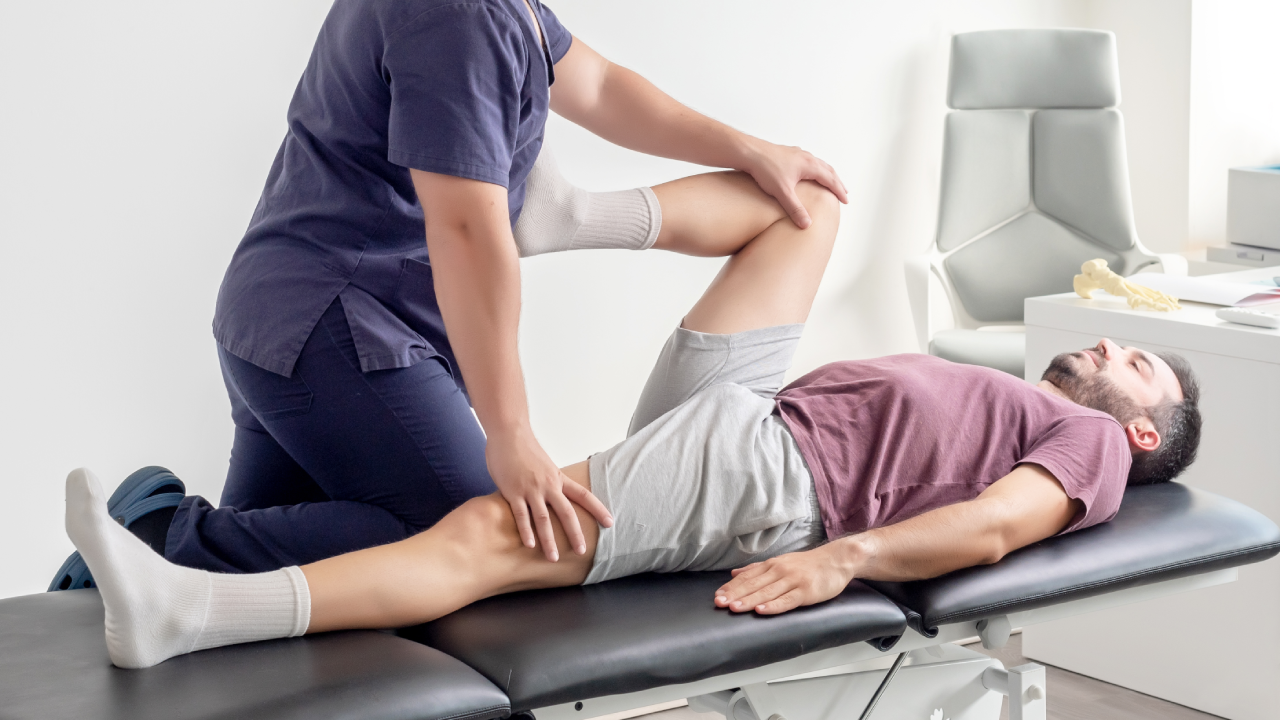
Depending on the injury, treatment may include therapeutic exercises, mobility activities, manual therapy, movement education, and advice about gradually resuming work-related tasks. The approach varies according to the person’s condition and clinical assessment.
Workers should confirm their claim status, treatment authorization, and any applicable reporting requirements with WSIB and their healthcare provider. Eligibility and coverage depend on the circumstances of the claim and the applicable WSIB requirements.
How WSIB Physiotherapy Can Help After a Work-Related Injury
Workplace injuries can range from muscle strains and sprains to joint injuries and repetitive strain conditions. Even when an injury initially appears manageable, persistent symptoms may interfere with ordinary movements and job performance.
Physiotherapy focuses on identifying physical limitations and developing a rehabilitation plan suited to the worker’s condition. For example, someone who strains their back while lifting objects may need exercises that address mobility, strength, and safe lifting mechanics. A worker with a shoulder injury may need to work on reaching movements and gradually rebuilding tolerance for job-related activities.
With WSIB Physiotherapy, rehabilitation may also involve discussing work demands, identifying movements that aggravate symptoms, and planning a gradual return to duties when appropriate. Communication between the worker, healthcare provider, employer, and WSIB may help coordinate the process, subject to applicable privacy requirements and the worker’s consent.
The aim is to support physical recovery while helping the worker understand how to manage activity safely during rehabilitation.
8 Benefits of WSIB Physiotherapy for Recovery and Workplace Readiness
A workplace injury may affect more than one part of daily life. It can change how a person walks, lifts objects, sits for extended periods, or completes a regular shift. Physiotherapy can address these challenges through structured rehabilitation and gradual activity progression.
1. Improved Joint Mobility
Injuries involving the shoulder, knee, wrist, or back may restrict movement. Guided mobility exercises can help workers practice comfortable movement within their clinical limits. Over time, this may assist with activities such as reaching, bending, turning, and walking.
2. Increased Muscle Strength
Muscle strains and periods of reduced activity can contribute to weakness. A physiotherapist may prescribe progressive strengthening exercises based on the injured worker’s condition. Improved strength can help with tasks such as lifting supplies, carrying objects, and maintaining posture during a shift.
3. Improved Flexibility
Tight muscles and restricted joint movement can make ordinary tasks difficult. Stretching and mobility exercises may help address these limitations. The exercises should match the injury and not aggravate symptoms.
4. Improved Balance and Coordination
Some workplace injuries affect balance, stability, or coordination. Physiotherapy may include controlled movements, balance exercises, and functional activities to help workers move more confidently when performing tasks that require stable footing.
5. Support With Everyday Activities
Workers may struggle with dressing, household chores, driving, or walking after an injury. WSIB Physiotherapy may include practicing functional movements that relate to these everyday activities, helping individuals work towards greater comfort and physical capacity.
6. Preparation for Returning to Work
Returning to a physically demanding job can require gradual preparation. Rehabilitation may include practicing movements associated with the worker’s duties, such as reaching, standing, lifting, or walking for longer periods. The pace should reflect clinical findings and workplace restrictions.
7. Education About Safe Movement
Learning how to move within current physical limits can help workers make informed decisions during recovery. A physiotherapist may discuss lifting mechanics, posture, activity pacing, and ways to modify tasks while symptoms are being assessed.
8. Monitoring Physical Progress
Regular assessments can help track changes in movement, strength, and functional ability. WSIB Physiotherapy may be adjusted as the worker progresses or if symptoms change. Documented progress can also help inform discussions about work duties and further care when required.
These benefits vary by injury, health status, and participation in rehabilitation. Physiotherapy does not guarantee a particular recovery timeline, and some injuries require additional medical assessment or treatment.
7 Signs You May Need WSIB Physiotherapy After a Workplace Injury
Recognizing physical changes after a work incident can help you decide when to seek assessment. Consider speaking with a healthcare professional if you notice any of the following signs.
1. Persistent Back or Neck Discomfort
Back or neck symptoms after lifting, bending, twisting, or a sudden movement may make it difficult to sit, stand, or turn your head. An assessment can help identify movement limitations and determine whether physiotherapy may be suitable.
2. Swelling or Restricted Joint Movement
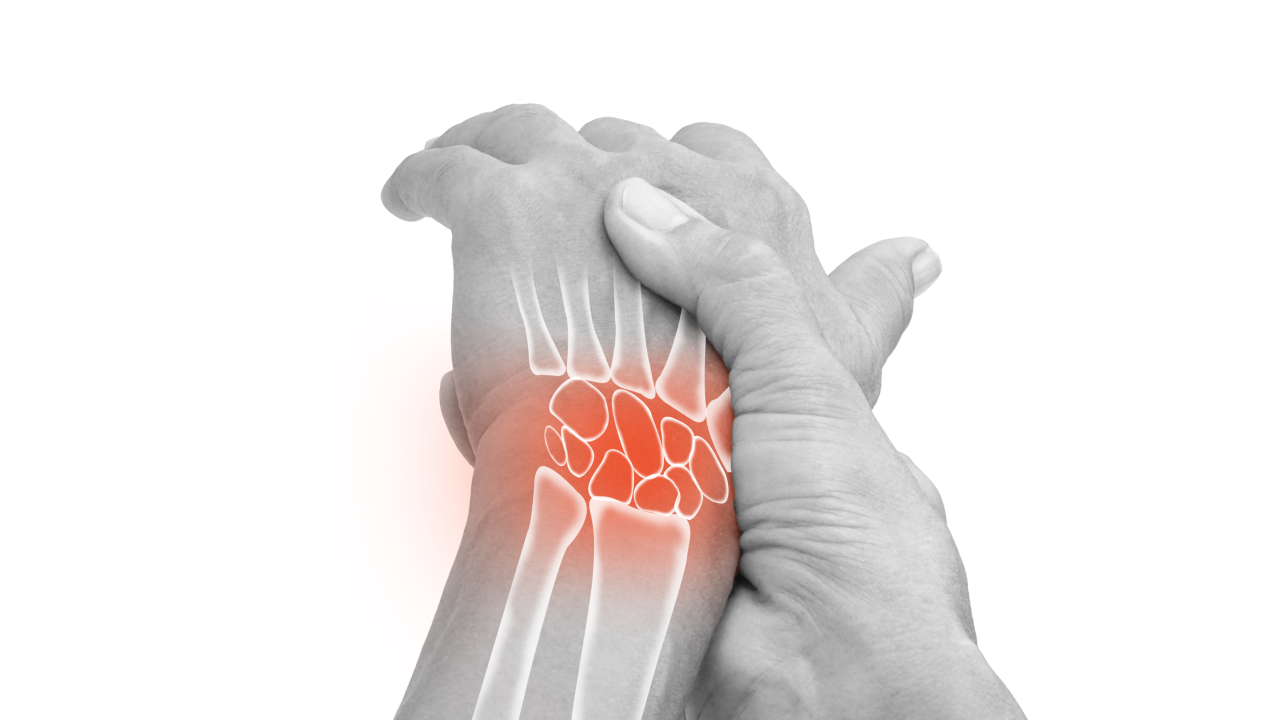
Swelling around the knee, ankle, wrist, or shoulder may limit movement after an injury. If you cannot move a joint normally, arrange a medical assessment rather than attempting to push through the restriction.
3. Difficulty Lifting or Carrying Objects
If lifting boxes, carrying tools, or moving supplies becomes difficult after an incident, the affected muscles or joints may need assessment. A physiotherapist can evaluate your functional abilities and discuss suitable rehabilitation activities.
4. Pain During Repetitive Tasks
Repeated typing, assembly work, reaching, or using equipment may contribute to symptoms in the hands, wrists, shoulders, or elbows. Seek assessment if symptoms persist, increase, or interfere with normal duties.
5. Reduced Strength or Grip
Difficulty holding tools, opening containers, gripping objects, or supporting your body weight may indicate a functional limitation. Sudden or significant weakness requires prompt medical assessment, particularly when accompanied by numbness or other new symptoms.
6. Trouble Walking, Standing, or Climbing Stairs
An injury to the lower back, hip, knee, or ankle can affect walking and standing tolerance. Physiotherapy may help assess these activities and identify exercises that match your current abilities.
7. Difficulty Resuming Your Regular Duties
You may find that a shift leaves you with increased symptoms, fatigue, or restricted movement. WSIB Physiotherapy can help assess functional limitations and contribute to discussions about gradual work resumption, where clinically suitable.
Important: Seek urgent medical care for serious injuries, suspected fractures, severe or rapidly worsening symptoms, new loss of bladder or bowel control with back symptoms, or sudden neurological changes. Do not wait for a physiotherapy appointment when urgent assessment is needed.
How to Get Started with Workplace Injury Physiotherapy in Mississauga
After a workplace injury, it is important to report the incident promptly, follow the applicable WSIB claim process, and seek medical attention when needed. Keep records of the incident, symptoms, medical visits, and any work restrictions provided by your healthcare professional.
The Ontario Physiotherapy Association states that eligible workers can choose a physiotherapist registered with WSIB without needing a physician or nurse referral. Claim eligibility and treatment payment remain subject to WSIB requirements.
At Get Back Physio Clinic, the process can begin with a physical assessment to identify movement limitations and discuss rehabilitation goals. Treatment may include exercise therapy, mobility activities, manual therapy, and progress monitoring according to clinical findings. The clinic provides workplace injury physiotherapy services in Mississauga.
Why Choose Get Back Physio Clinic in Mississauga?
Get Back Physio Clinic serves residents of Mississauga and surrounding communities, including Port Credit, Clarkson, Mineola, and Lakeview. The clinic’s approach includes physical assessment, one-on-one appointments, exercise-based rehabilitation, and progress monitoring.
For workers dealing with an occupational injury, the clinic can assess movement concerns and discuss possible rehabilitation options based on individual clinical needs. Before beginning treatment, ask the clinic about WSIB registration, claim requirements, and billing arrangements for your situation.
Frequently Asked Questions
1. What is WSIB Physiotherapy?
WSIB Physiotherapy refers to physiotherapy care connected to an eligible workplace injury or occupational illness claim in Ontario. It may include physical assessment, therapeutic exercises, mobility training, and functional rehabilitation.
2. Do I need a doctor’s referral for WSIB Physiotherapy in Ontario?
A physician or nurse referral is generally not required to choose a WSIB-registered physiotherapist. However, you should confirm your claim requirements and treatment eligibility with WSIB and your chosen clinic.
3. What injuries may require workplace physiotherapy?
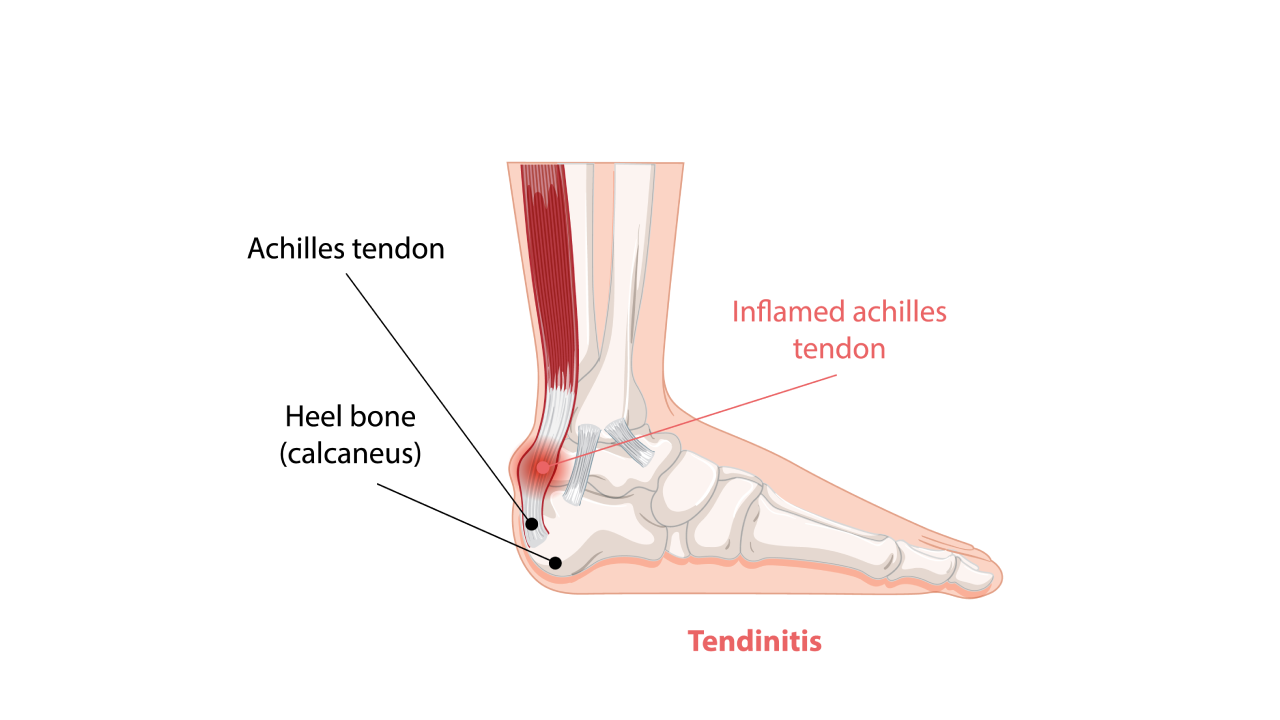
Workplace physiotherapy may be considered for muscle strains, ligament sprains, tendon injuries, joint restrictions, and certain repetitive strain conditions. The need for treatment depends on the injury and clinical assessment.
4. How soon should I start physiotherapy after a workplace injury?
Seek medical assessment promptly after an injury and contact WSIB about reporting and treatment requirements. Some WSIB programs have specific eligibility windows based on the injury date and injury type. For example, its Musculoskeletal Program of Care has an eight-week eligibility window for specified injuries.
5. Can physiotherapy help me return to work?
Physiotherapy may help address physical limitations that interfere with job duties. Your healthcare provider can assess your functional abilities and discuss suitable activity progression. Return-to-work arrangements should account for your condition, medical restrictions, and the duties available at your workplace.
Take the Next Step
A workplace injury can make ordinary activities and job responsibilities challenging. Seeking an assessment can help you identify movement limitations and learn which rehabilitation options may be suitable for your condition.
If you are looking for WSIB Physiotherapy in Mississauga, contact Get Back Physio Clinic to discuss your workplace injury, assessment needs, and claim-related questions.
Contact the clinic to arrange an appointment and discuss the next steps for your rehabilitation.
Phone: +1 416-259-0359
Address: 507 Lakeshore Rd E Ste 200, Mississauga, ON L5G 1H9, Canada