Supporting Pelvic Health Through Pregnancy and Postpartum Changes
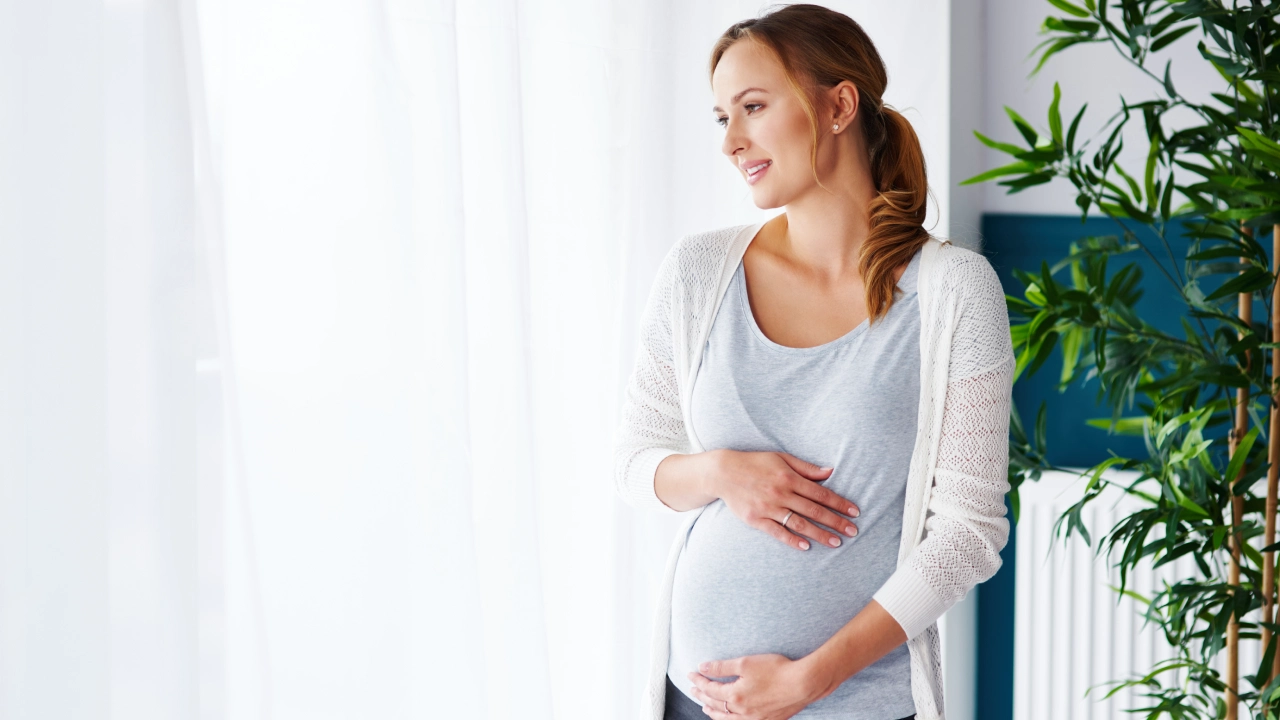
Pregnancy and the months after childbirth bring major physical changes. As the body adapts to support a growing baby, the pelvic floor, abdominal muscles, spine, hips, and surrounding tissues all take on new demands. After delivery, these areas continue to adapt as the body adjusts to daily activities, infant care, feeding, lifting, walking, and returning to exercise.
Pelvic health is therefore an important part of Prenatal and postnatal physiotherapy. It is not only about managing discomfort. It also involves learning how the pelvic floor works, supporting movement during pregnancy, preparing for childbirth, and addressing physical changes after delivery.
For women in Mississauga, working with a physiotherapy clinic can provide a structured way to monitor movement and pelvic health through pregnancy and postpartum recovery. At Get Back Physio Clinic, physiotherapy care can focus on practical movement strategies that fit into daily life.
Here are seven reasons pelvic health deserves attention during this stage.
1. The Pelvic Floor Supports Several Important Functions
The pelvic floor is a group of muscles and connective tissues located at the base of the pelvis. These structures help support the bladder, bowel, and reproductive organs. They also play a role in bladder and bowel control, sexual function, breathing mechanics, and core stability.
During pregnancy, the pelvic floor carries additional load as the uterus grows. Hormonal changes can also affect muscles and connective tissues. During childbirth, these structures may stretch considerably.
Prenatal and postnatal physiotherapy can include education about pelvic floor contraction and relaxation, breathing patterns, posture, and movement. Learning how these systems work may make it easier to recognize changes that deserve attention.
Pelvic floor training is not simply about strengthening. Some people may have muscles that are already tense or difficult to relax. In such cases, repeated squeezing may not be appropriate. A physiotherapist can assess movement patterns and determine which exercises may suit the individual.
2. Pregnancy Can Change Posture and Movement
As pregnancy progresses, changes in body shape and weight distribution can affect how a person stands, walks, turns, climbs stairs, and gets in and out of bed.
The lower back, pelvis, hips, and legs may all respond to these changes. Some women notice aching around the lower back or pelvis, while others notice discomfort when walking, standing for long periods, or changing positions.
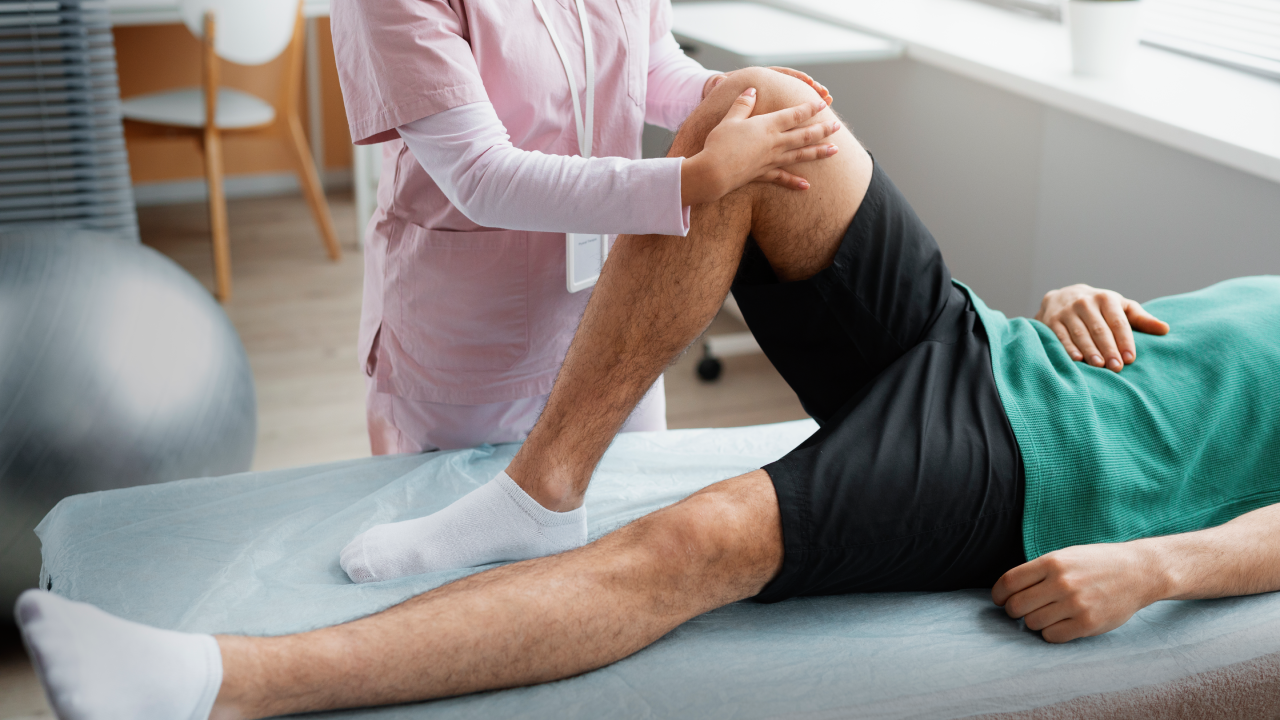
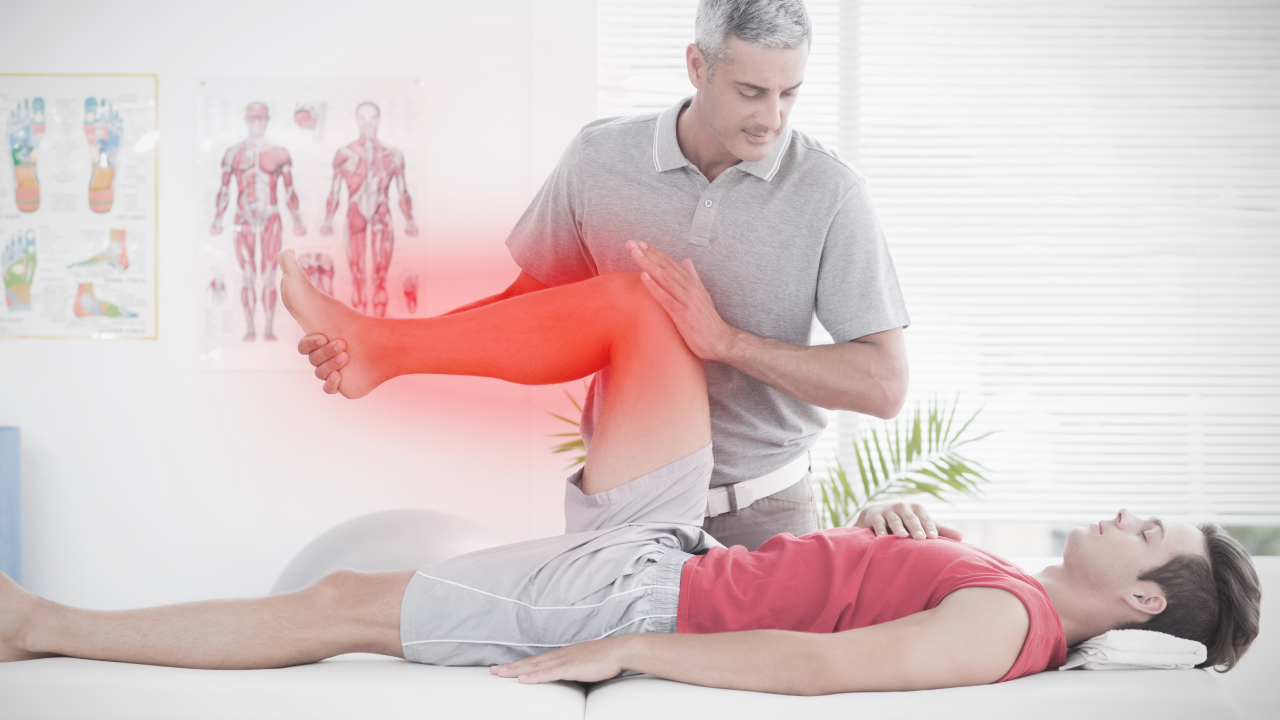
Prenatal and postnatal physiotherapy can address these movement changes through exercises, mobility work, posture education, and activity modifications.
For example, a physiotherapist may discuss ways to modify sitting positions, getting in and out of a car, lifting household items, or changing sleep positions. Small changes can make everyday movement easier to manage during pregnancy.
3. Pelvic Floor Symptoms Can Occur During Pregnancy
Pelvic floor symptoms are relatively common during pregnancy. Some women experience urinary leakage when coughing, sneezing, laughing, running, or exercising. Others may notice urinary urgency, difficulty emptying the bladder, constipation, pelvic pressure, or discomfort around the pelvis.
These symptoms should not simply be dismissed as an unavoidable part of pregnancy.
Prenatal and postnatal physiotherapy can help women learn more about pelvic floor function and identify movement or activity patterns that may be contributing to symptoms.
Physiotherapy may include pelvic floor exercises, relaxation techniques, breathing exercises, bladder habits, bowel strategies, and advice around physical activity. The focus depends on the symptoms and stage of pregnancy.
If symptoms are new, persistent, or interfering with daily activities, discussing them with a healthcare professional is a sensible step.
4. Pelvic Health Can Matter During Childbirth Preparation
Preparing for childbirth involves more than learning about labour positions and breathing techniques. Pelvic floor awareness can also be useful.
During delivery, the pelvic floor needs to lengthen and relax as the baby moves through the birth canal. For this reason, learning to contract the pelvic floor is only one part of pelvic floor training. Learning how to relax those muscles can also matter.
Prenatal and postnatal physiotherapy may include education about breathing, pelvic mobility, comfortable positions, and pelvic floor relaxation.
Depending on the circumstances of the pregnancy and medical advice, a physiotherapist may also discuss positions that can be used during labour. The purpose is to help the expectant parent become familiar with different movement options before childbirth.
Every birth is different, and physiotherapy cannot predict or control how labour will progress. However, knowing how the body moves can help a person feel more prepared for physical demands.
5. Recovery After Childbirth Involves More Than the First Few Weeks
The postpartum period is often associated with the first six weeks after birth, but physical recovery can continue beyond that point. Muscles, connective tissues, the abdominal wall, and pelvic floor may need time to adapt after pregnancy and delivery.
Some women notice urinary leakage, pelvic heaviness, abdominal weakness, back discomfort, hip symptoms, or difficulty returning to exercise.
Prenatal and postnatal physiotherapy can provide an opportunity to assess these changes and create a gradual return-to-activity plan.
Recovery may include breathing work, pelvic floor coordination, abdominal exercises, mobility work, strength exercises, and gradual progression toward activities such as walking, running, gym workouts, or recreational sports.
The timeline varies from person to person. Factors such as the type of delivery, pregnancy history, symptoms, sleep, activity level, and previous injuries may all affect the process.
6. Diastasis Recti and Core Function Deserve Attention
During pregnancy, the abdominal wall stretches to accommodate the growing uterus. The connective tissue between the two sides of the abdominal muscles can also widen. This is commonly referred to as diastasis recti.
A change in the abdominal wall is not automatically a problem. However, some people may notice reduced abdominal control, difficulty with certain movements, or a feeling of weakness after childbirth.
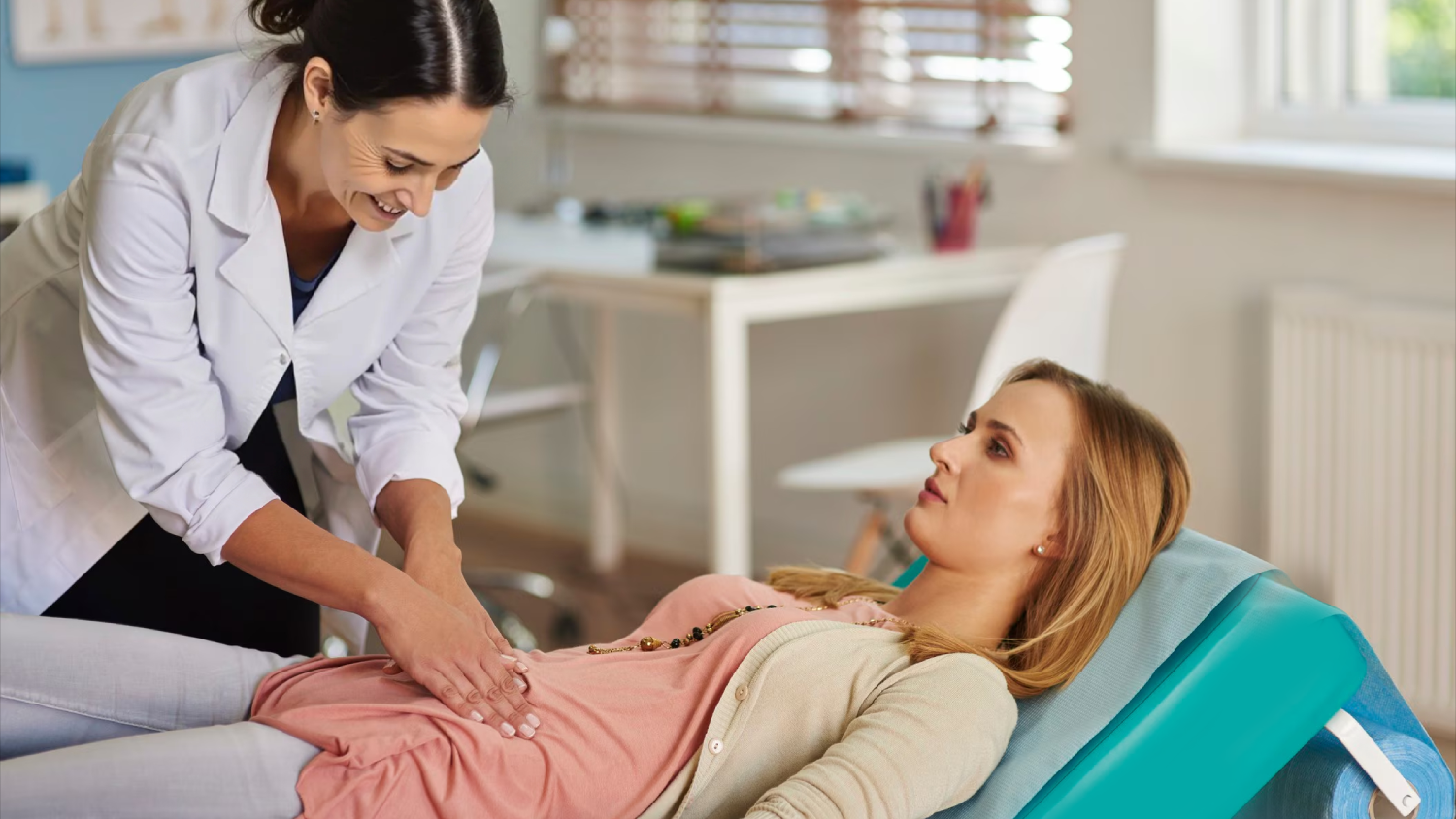
Prenatal and postnatal physiotherapy can assess abdominal function and teach appropriate exercises as recovery progresses.
Core rehabilitation is not simply about performing large numbers of abdominal exercises. Breathing, pressure management, posture, pelvic floor coordination, and gradual loading can all play a role.
A physiotherapist can also discuss how to modify activities such as lifting a baby, carrying a car seat, getting up from the floor, or returning to resistance training.
7. Pelvic Health Can Support a Gradual Return to Daily Activities
Life after childbirth involves many repeated physical tasks. Feeding, carrying, bathing, changing diapers, pushing a stroller, lifting laundry baskets, climbing stairs, and getting up from the floor can place demands on the body.
Returning to exercise can add another layer of physical load.
Pelvic health care can help identify how the body responds to increasing activity. Prenatal and postnatal physiotherapy may be useful when planning a gradual progression from basic movement to strength training, running, fitness classes, or other activities.
A gradual approach allows symptoms and physical responses to be monitored as activity increases. If urinary leakage, pelvic pressure, abdominal discomfort, or other symptoms appear during exercise, the activity can be reviewed and modified.
When Should You Start Prenatal and Postnatal Physiotherapy?
There is no single starting point that applies to every pregnancy.
Prenatal physiotherapy can begin at different stages depending on symptoms, pregnancy history, activity goals, and advice from a physician or midwife. Some women seek care early in pregnancy for movement concerns, while others attend later in pregnancy for pelvic floor education, mobility, or preparation for childbirth.
Prenatal and postnatal physiotherapy may also be considered when symptoms appear rather than waiting until they become disruptive.
After delivery, a postpartum assessment can be useful when you are ready and when your medical team has advised that assessment or exercise is appropriate. A physiotherapist can review pelvic floor function, abdominal control, mobility, strength, and the activities you want to resume.
Postpartum care may be particularly relevant if you notice:
- Urinary leakage
- Pelvic pressure or heaviness
- Difficulty controlling gas or bowel movements
- Constipation
- Pelvic or lower-back discomfort
- Abdominal weakness
- Difficulty returning to exercise
- Discomfort during sexual activity
- Symptoms that increase with lifting or prolonged standing
There is no need to wait for severe symptoms before discussing pelvic health.
What Can a Pelvic Health Physiotherapy Appointment Include?
A pelvic health appointment may begin with a conversation about pregnancy history, delivery history, symptoms, physical activity, daily routines, and goals.
The physiotherapist may assess posture, breathing, abdominal control, pelvic movement, hip mobility, and functional movements. Depending on the situation and consent, an internal pelvic floor assessment may also be discussed. This is not required for every appointment.
Treatment and exercise plans can vary. They may include:
- Pelvic floor contraction and relaxation exercises
- Breathing and pressure-management drills
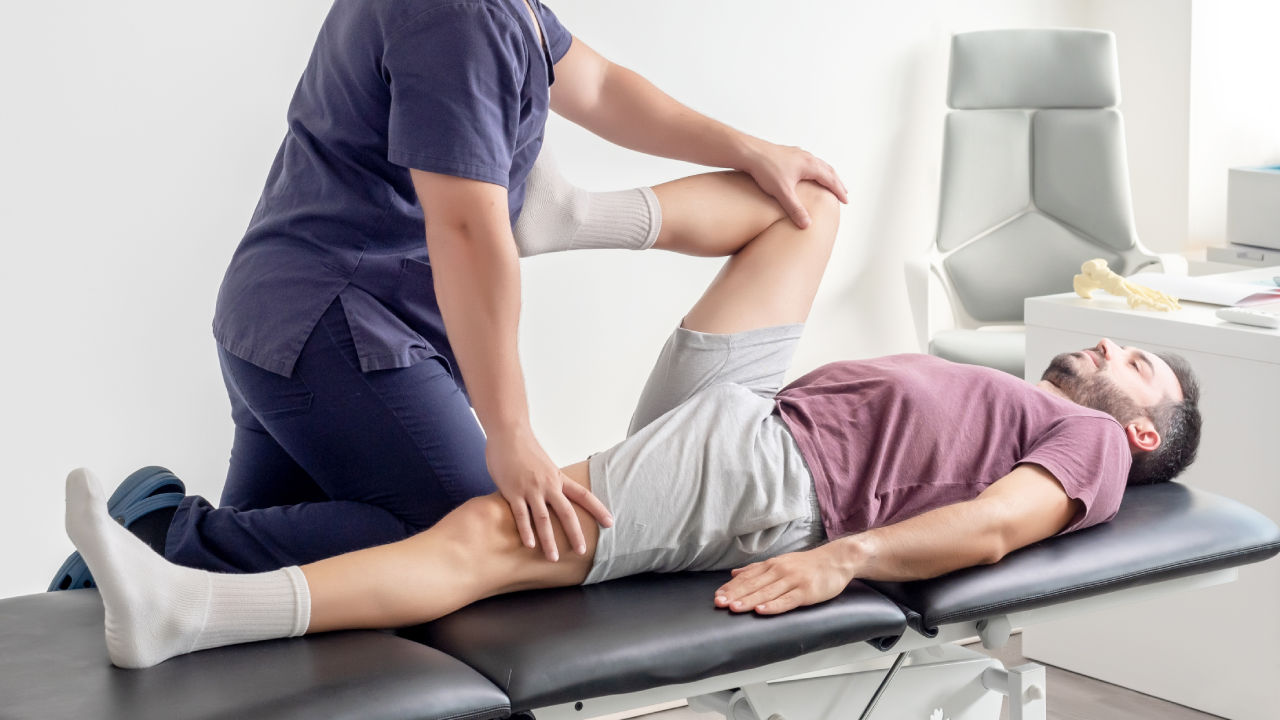
- Hip and pelvic mobility exercises
- Core strengthening
- Functional movement practice
- Exercise progression
- Activity modification
- Postpartum return-to-fitness planning
Communication and consent should remain central throughout pelvic health care.
Pelvic Health Care in Mississauga
Pregnancy and postpartum recovery can involve questions that are difficult to navigate alone. Pelvic health physiotherapy gives women an opportunity to discuss physical changes, learn about movement, and identify suitable next steps.
For women in Mississauga, Prenatal and postnatal physiotherapy at Get Back Physio Clinic can be incorporated into pregnancy preparation and postpartum rehabilitation according to individual needs.
Whether you are preparing for childbirth, adjusting to life after delivery, or planning your return to exercise, a physiotherapy assessment can help identify areas that may need attention.
Frequently Asked Questions
1. Is pelvic floor physiotherapy only for women with bladder leakage?
No. Pelvic floor physiotherapy can address several concerns, including pelvic pressure, bowel symptoms, pelvic discomfort, abdominal weakness, pregnancy-related movement changes, postpartum recovery, and return to exercise.
2. Can I do pelvic floor exercises during pregnancy?
Pelvic floor exercises are commonly used during pregnancy, but the appropriate approach varies. Some people need strengthening, while others may need to focus more on relaxation and coordination. A physiotherapy assessment can help determine an appropriate approach.
3. Do I need physiotherapy after a C-section?
A C-section still involves pregnancy-related changes to the abdominal wall, pelvic floor, posture, and movement patterns. Physiotherapy may support recovery and gradual return to activities when medically appropriate.
4. When can I return to exercise after childbirth?
The timing depends on the type of delivery, recovery status, symptoms, medical considerations, and the activity you want to resume. A gradual progression is generally more appropriate than suddenly returning to demanding exercise.
5. Is an internal pelvic floor assessment required?
No. An internal assessment is not required for every person. Your physiotherapist can discuss the assessment process, explain why it may be considered, and proceed only with your consent.
Take the Next Step
Pelvic health deserves attention throughout pregnancy and after childbirth. From bladder and bowel function to core control, movement, exercise, and postpartum recovery, several parts of physical health can be connected to the pelvic region.
If you are in Mississauga and want to discuss pregnancy-related pelvic health or postpartum recovery, contact Get Back Physio Clinic to schedule an assessment. Starting a conversation can help you identify what is happening, discuss your activity goals, and determine whether physiotherapy is appropriate for you.
Reach out to Get Back Physio Clinic today to learn more about Prenatal and postnatal physiotherapy in Mississauga.
Phone: +1 416-259-0359
Address: 507 Lakeshore Rd E Ste 200, Mississauga, ON L5G 1H9, Canada