Staying Active with the Right Knee Support
Staying active can be an important part of daily life, whether you enjoy walking around Mississauga, playing sports, visiting the gym, cycling, hiking, or managing household activities. When knee discomfort, weakness, or instability affects movement, a knee brace may be considered as part of a physiotherapy plan.
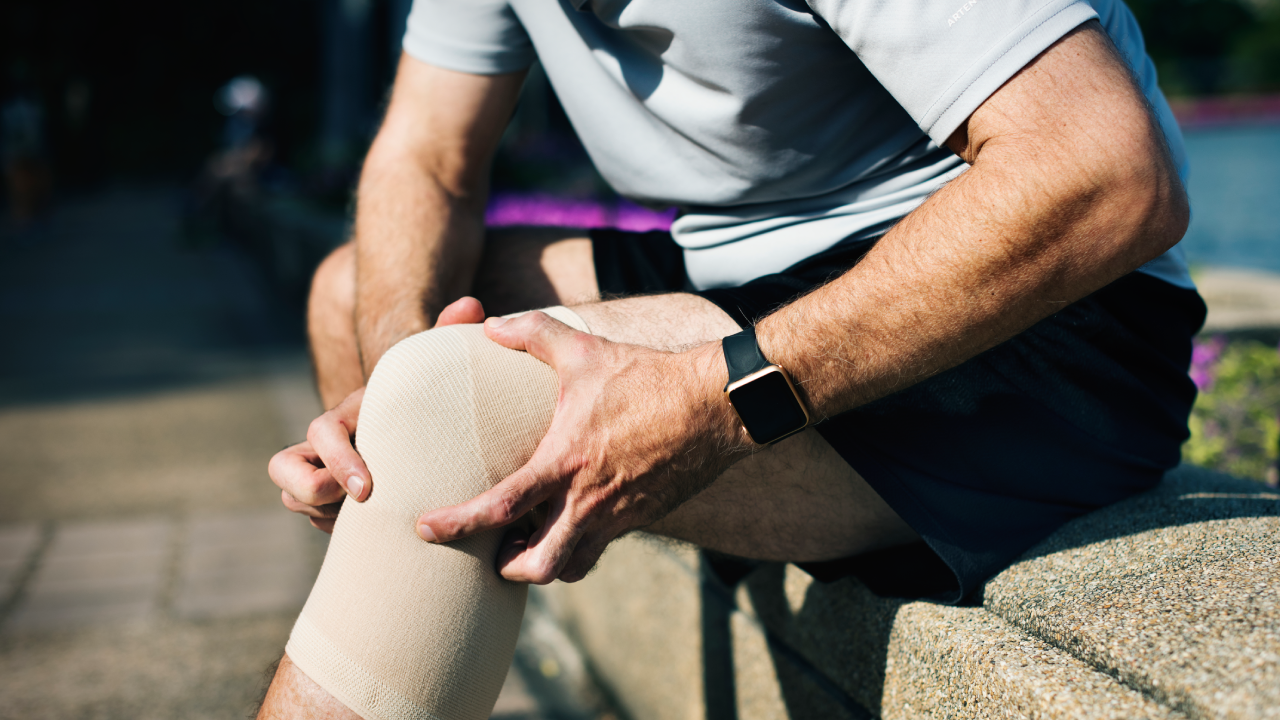
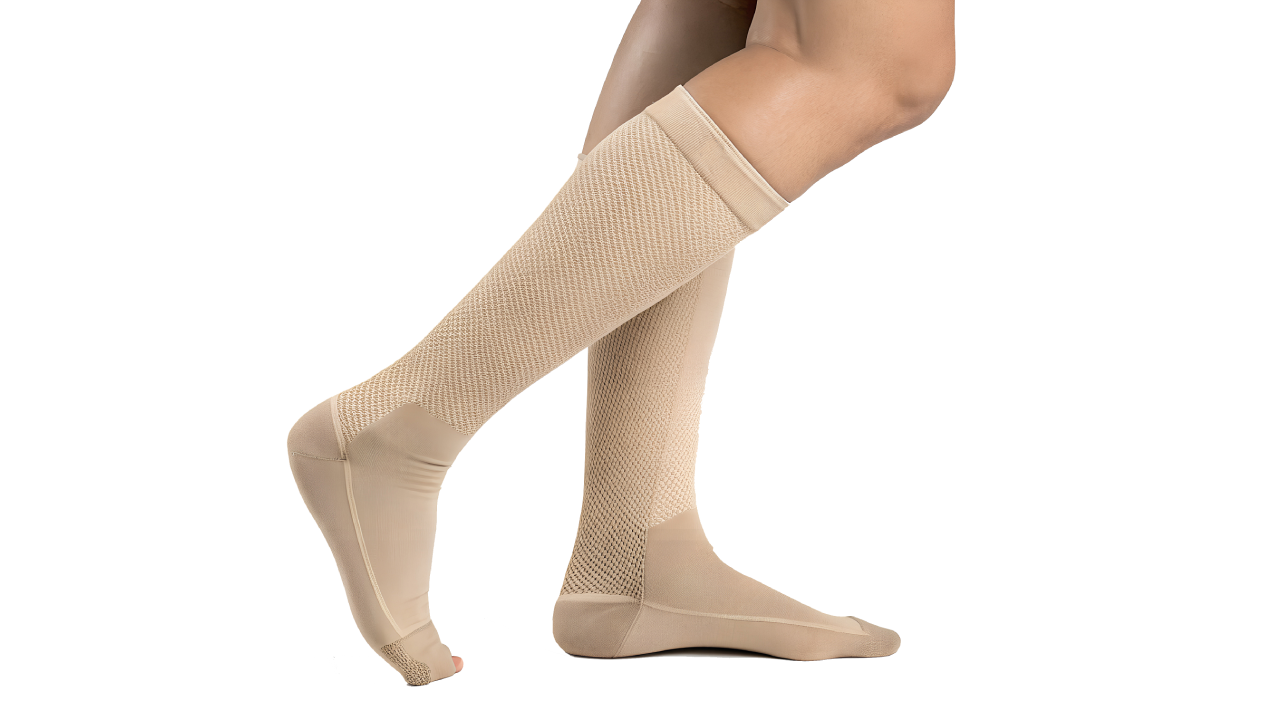
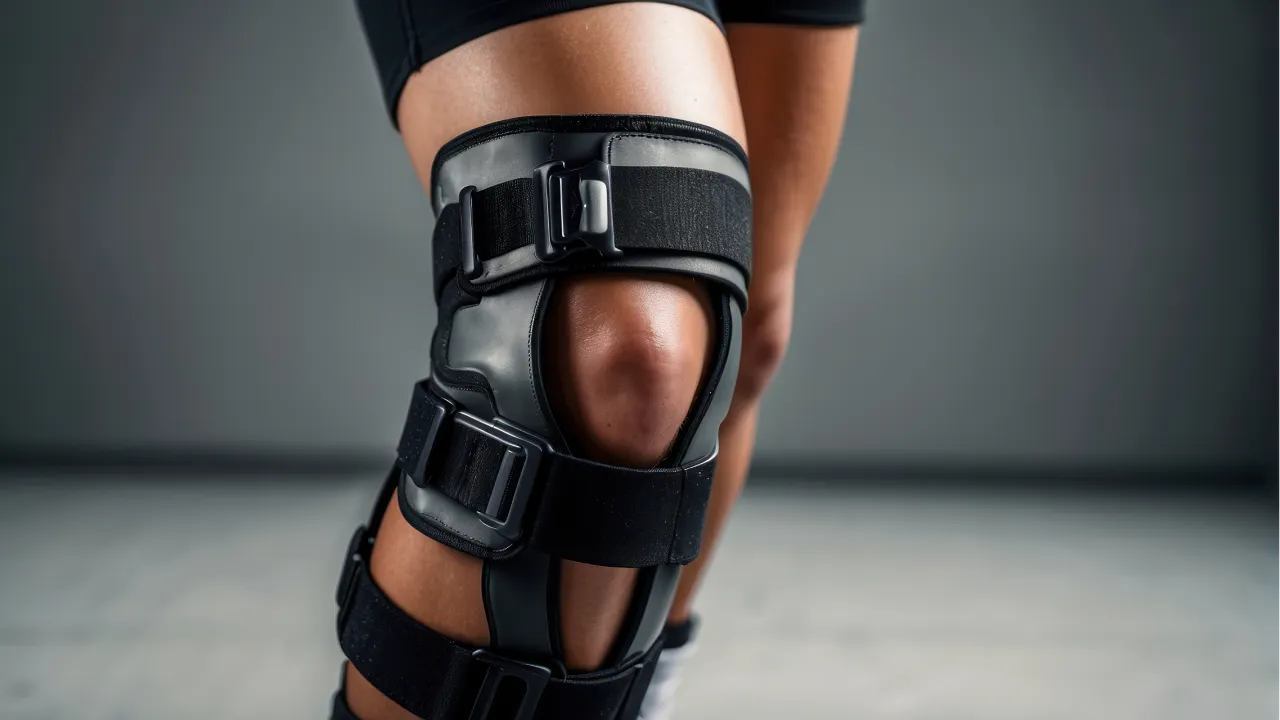
Custom Knee Braces are made around individual knee measurements and movement needs, providing support suited to specific activities. They may help you feel more secure while staying active.
At Get Back Physio Clinic in Mississauga, knee bracing can be discussed alongside movement assessment, exercises, and other physiotherapy services. A brace is not a replacement for rehabilitation but may serve as one part of a plan for confident movement.
1. They Can Provide Added Knee Support During Activity
One of the main reasons people consider Custom Knee Braces is to provide additional support around the knee during movement. Activities such as walking, climbing stairs, squatting, running, and changing direction place different demands on the knee.
A properly fitted brace may help provide external support during these movements. This can be particularly useful for people who feel that their knee is unstable during certain activities.
The amount and type of support needed can vary depending on the person’s knee condition, activity level, body structure, and movement patterns. A physiotherapy assessment can help determine whether bracing is appropriate and when it may be useful.
2. Knee braces can help you stay active.
Physical activity does not always mean intense exercise. It can include walking to work, taking the stairs, gardening, playing with children, cycling through Mississauga, or participating in recreational sports.
For some people, knee concerns can make these activities feel uncertain. Custom Knee Braces may provide additional support during selected activities, allowing users to feel more secure while moving.
A brace should still be combined with appropriate exercises and activity modifications when needed. Building strength around the knee, hips, and core can contribute to improved movement control and physical function.
3. They Can Support Specific Movement Needs
Every knee does not move in exactly the same way. Previous injuries, joint changes, muscle weakness, alignment concerns, and activity demands can all affect how someone moves.
This is where Custom Knee Braces can differ from general-purpose braces. The brace can be selected or constructed according to the person’s measurements and functional needs.
For example, someone who participates in a sport involving frequent changes of direction may have different bracing requirements from someone who mainly walks or cycles.
A physiotherapist can assess how your knee behaves during different movements and discusses whether a brace could fit into your activity plan.
4. They May Help with Stability During Everyday Tasks
Knee support is not only relevant to sports. Everyday activities can also place repeated demands on the knees.
Standing from a chair, getting in and out of a vehicle, walking on uneven ground, using stairs, and carrying groceries can all require coordination between the knee, hip, ankle, and surrounding muscles.
Custom Knee Braces may provide an added layer of external support during activities where knee stability is a concern.
The goal is not to make the brace do all the work. Instead, it can be used alongside exercises that encourage strength, coordination, balance, and appropriate movement patterns.
5. They Can Fit into a Physiotherapy Program
A knee brace can be used as part of a broader physiotherapy plan. Depending on your needs, this may include strengthening exercises, mobility work, balance activities, movement retraining, and advice about gradually returning to specific activities.
Custom Knee Braces can complement these strategies when a physiotherapist determines that bracing may be suitable.
For instance, someone returning to recreational sports after a knee injury may use a brace during selected stages of activity while continuing a progressive exercise program.
The specific role of the brace can change as strength, coordination, and activity tolerance develop. Regular assessment can help determine whether continued bracing is appropriate.
6. Braces may support confidence during movement.
Confidence can influence how a person moves. When someone is worried that their knee may buckle, twist, or feel unstable, they may change the way they walk, avoid certain activities, or move more cautiously than usual.
Custom Knee Braces may provide a sense of additional support during selected activities. For some people, knowing that the knee has external support can make it easier to focus on movement rather than constantly thinking about knee stability.
However, confidence should also come from developing physical capacity. Strength exercises, balance training, gradual activity progression, and movement practice can all contribute to greater trust in the knee.
7. They Can Support an Active Lifestyle Across Different Activities
An active lifestyle can involve many different forms of movement. One day may include a gym session, while another may involve a long walk, household chores, recreational sports, or cycling.
Custom Knee Braces can be considered according to the activities you regularly perform. A brace intended for one type of movement may not be appropriate for every activity, which is why assessment and fitting matter.
Your physiotherapist can discuss when to wear the brace, how it should fit, and which activities may require additional support. This can help you make informed choices about physical activity while continuing to work on strength and movement capacity.
How Do Custom Knee Braces Help Support Confident Movement?
Confident movement comes from strength, movement control, and trust in your body. Custom Knee Braces can add external support around the knee during selected activities, helping movements feel more secure.
For instance, someone who feels uncertain when walking downstairs may benefit from an appropriate brace alongside physiotherapy exercises and gradual practice.
A brace is only one part of the process. Confident movement can also involve:
- Building strength in the legs and hips
- Practicing balance and coordination
- Improving movement technique
- Gradually increasing activity levels
- Following a physiotherapy exercise program
The aim is to support safe participation in daily activities while continuing to build physical capacity.
What to Consider Before Getting a Knee Brace
Not every person with knee discomfort needs a brace. The appropriate type of support depends on several factors, including the source of the knee problem, joint stability, activity requirements, body measurements, and previous injuries.
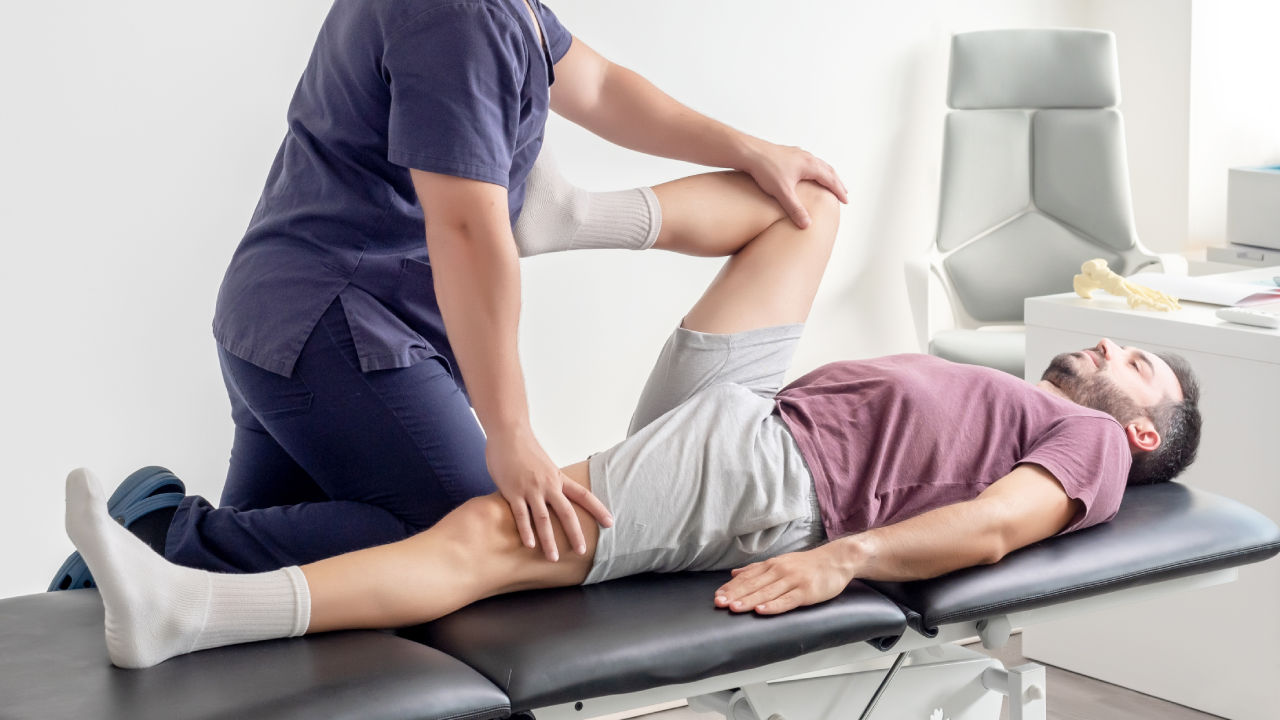
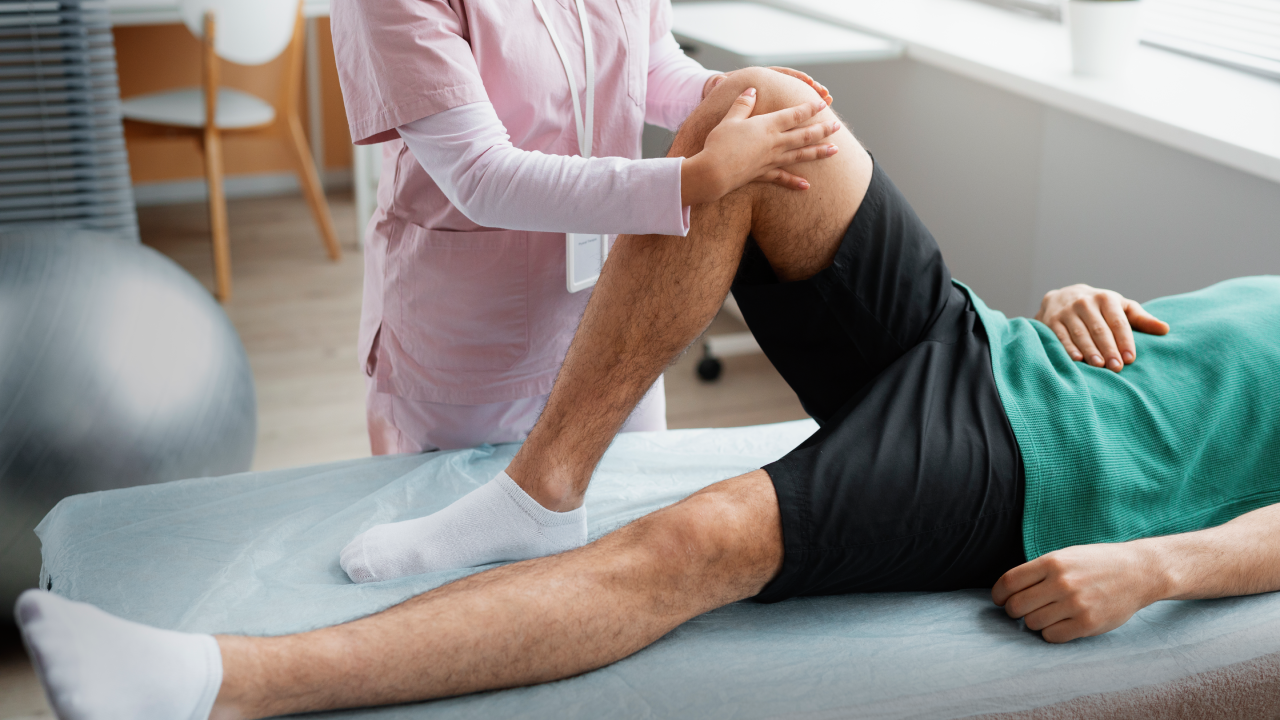
A physiotherapy assessment can look at how your knee moves during walking, squatting, stairs, or other relevant activities. Your physiotherapist can then discuss whether a brace may be suitable.
Fit is also important. A brace that is too loose may shift during movement, while one that is too tight may be uncomfortable. The brace should be suitable for the intended activity and used according to professional recommendations.
If you have persistent knee symptoms, swelling, significant instability, or difficulty bearing weight, seek an assessment rather than relying only on a brace.
Choosing Custom Knee Braces in Mississauga
If you live in Mississauga and want to remain active while managing a knee concern, discussing bracing with a physiotherapy professional can be a useful step.
At Get Back Physio Clinic, your movement needs, daily activities, and physical goals can be considered when discussing knee support. The clinic can help you understand whether Custom Knee Braces may fit into your physiotherapy plan and what other strategies may be appropriate.
A brace may be useful for certain activities, but it works alongside exercise, movement training, and activity planning rather than replacing them.
Frequently Asked Questions
1. Who may need Custom Knee Braces?
People with knee instability, certain injuries, joint conditions, or specific activity requirements may be considered for a custom brace. A physiotherapy assessment can help determine whether one is appropriate.
2. Can I wear a knee brace while exercising?
In some cases, yes. The appropriate use depends on your knee condition and the type of exercise. Your physiotherapist can advise you on when wearing a brace may be appropriate
3. Are custom braces different from standard knee braces?
Yes. Standard braces are generally produced in common sizes, while custom braces are made around individual measurements and specific support requirements.
4. Will a knee brace replace physiotherapy exercises?
No. A brace is generally considered a support tool rather than a replacement for strengthening, mobility work, balance training, or other physiotherapy activities.
5. How do I know if I need a knee brace?
A physiotherapy assessment can help identify whether your knee requires additional external support. Your activity level, symptoms, movement patterns, and physical requirements can all be considered.
Take the Next Step with Get Back Physio Clinic
Your knees play a central role in walking, exercising, working, playing sports, and managing everyday activities. If knee instability or discomfort is affecting how you move, a suitable support option may help you participate in selected activities with greater confidence.
If you are considering custom knee braces in Mississauga, contact Get Back Physio Clinic to discuss your knee concerns and activity needs. A physiotherapy assessment can help determine whether bracing may be appropriate and how it can fit alongside your movement and exercise program.