Getting Started With Workplace Injury Rehabilitation
A workplace injury can affect far more than your ability to complete a shift. Pain, reduced movement, weakness, stiffness, and difficulty performing everyday tasks may continue after the initial injury. For workers in Mississauga, accessing appropriate rehabilitation can play an important role in returning to regular activities and work duties.
WSIB physiotherapy is a rehabilitation pathway that may be available to eligible workers who have sustained an injury or developed a condition related to their job. Physiotherapy can focus on restoring movement, improving strength, managing functional limitations, and helping workers progress through their recovery plan.
At Get Back Physio Clinic, workers can receive physiotherapy services that address workplace-related injuries while keeping functional goals and work requirements in view.
Here are seven reasons why starting rehabilitation after a workplace injury may be worth considering.
1. Early Rehabilitation Can Address Movement Limitations
After a workplace injury, stiffness, weakness, swelling, or discomfort can restrict movement. WSIB physiotherapy can assess mobility, strength, flexibility, and function, then introduce suitable exercises to support gradual recovery. For example, lower-back rehabilitation may focus on improving bending, sitting, standing, and walking tolerance.
2. Physiotherapy Can Support a Gradual Return to Work
Returning to work after an injury may require a gradual increase in duties based on the worker’s condition and job requirements.
A physiotherapist can assess tasks such as lifting, reaching, standing, walking, pushing, pulling, or repetitive movements. WSIB physiotherapy may include exercises that reflect these workplace activities.
As strength and function improve, rehabilitation can progress toward work-related tasks, helping workers prepare for a safe return to their regular duties.
3. Physiotherapy Can Help Restore Strength and Physical Capacity
Muscle weakness can occur after an injury, especially when activity is reduced. This can make everyday tasks and work activities more difficult.
Physiotherapy may include strengthening exercises for the injured area and surrounding muscles. For example, knee rehabilitation may target the quadriceps, hamstrings, hips, and lower leg.
WSIB physiotherapy exercises can progress as strength and function improve, based on the injury, work demands, and recommendations from the treating team.
4. It Can Address Everyday Functional Challenges
A workplace injury does not necessarily affect only work. It can also make everyday activities more difficult.
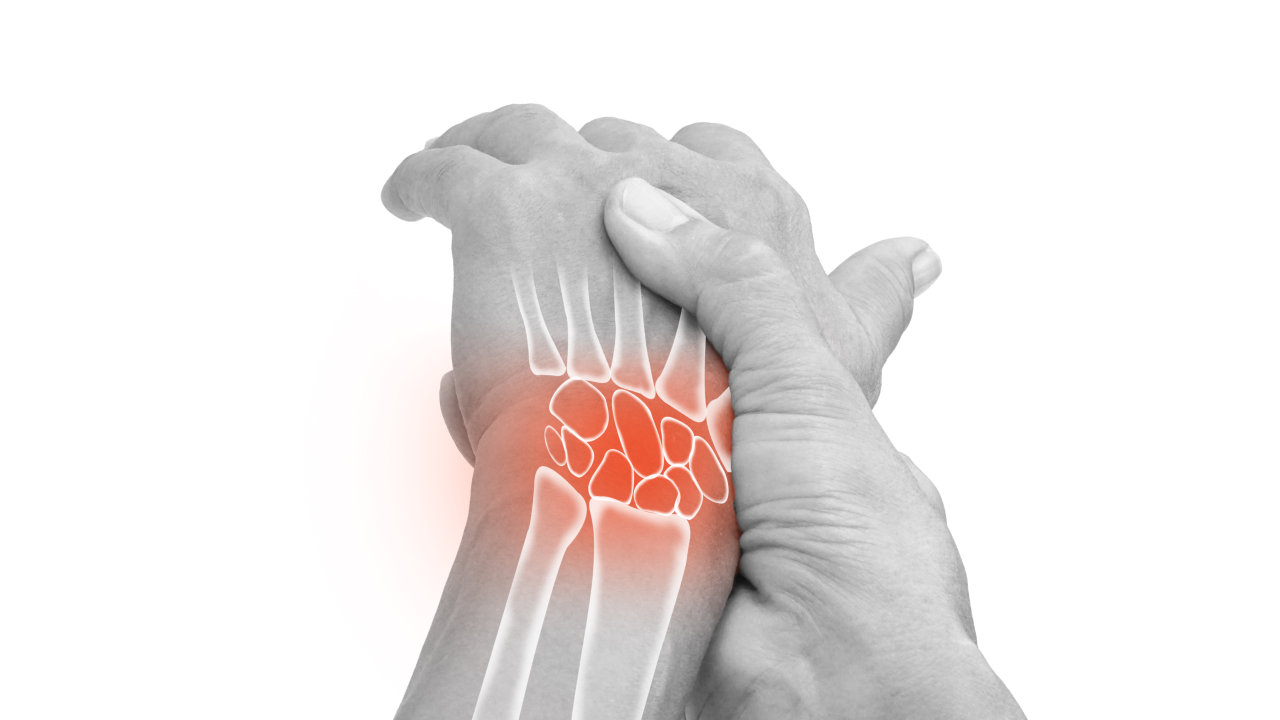
A person with a wrist injury may struggle with opening containers, carrying groceries, using a computer, or completing household tasks. Someone with a back injury may find it difficult to get dressed, climb stairs, sit through a commute, or sleep comfortably.
Physiotherapy can focus on functional movements that matter in daily life.
During WSIB physiotherapy, the treatment plan may be adjusted according to changes in mobility, strength, tolerance, and activity levels. This can help workers gradually resume activities that became difficult following their injury.
5. It Can Help Workers Build Confidence With Movement
After an injury, workers may avoid certain movements because they are concerned about aggravating the affected area.
A structured rehabilitation program can introduce exercises gradually, helping workers become more comfortable with activities such as lifting, reaching, walking, bending, or gripping.
WSIB physiotherapy may also include education on exercise technique, activity levels, body mechanics, and workplace movement habits to support each stage of recovery.
6. It Can Address Repetitive Workplace Injuries
Not every workplace injury results from one sudden event. Some conditions develop gradually because of repeated movements, prolonged positions, forceful tasks, or sustained physical demands.
Examples may include wrist, elbow, shoulder, neck, or back problems associated with repetitive workplace activities.
Physiotherapy can assess movement patterns, strength, flexibility, work-related activities, and functional limitations. The treatment plan may then include exercises and strategies aimed at improving physical capacity and helping the worker manage job-related demands.
WSIB physiotherapy may be relevant for eligible workers whose condition is connected to workplace activities and has been accepted under the applicable WSIB process.
7. It Can Provide a Structured Path Through Rehabilitation
Recovering from an injury can feel uncertain when there is no clear plan. Physiotherapy provides a process for assessing physical function, setting rehabilitation goals, monitoring progress, and modifying exercises when appropriate.
Progress can be considered through practical measures such as range of motion, strength, walking tolerance, lifting ability, balance, grip strength, or the ability to perform specific work-related tasks.
A structured approach may also help identify areas that still require attention before a worker resumes particular duties.
Can WSIB Physiotherapy Help With Repetitive Strain Injuries?
Yes, physiotherapy may play a role in managing repetitive strain injuries when the condition is related to workplace activities and meets the requirements of the WSIB process.
Repetitive strain injuries can develop when muscles, tendons, joints, or other tissues are exposed to repeated movements, sustained positions, forceful activities, or insufficient recovery time. Common areas include the wrist, hand, elbow, shoulder, neck, and lower back.
A physiotherapy assessment may look at:
- The location and nature of symptoms
- Range of motion
- Muscle strength
- Grip strength where relevant
- Workplace movements and physical demands
- Repetitive tasks
- Posture and positioning
- Functional limitations
- Tolerance for work-related activities
Based on the assessment, WSIB physiotherapy may include exercises, mobility work, strengthening, activity changes, education, and functional training.
Treatment can vary by job demands. Repetitive computer work may focus on the wrist, forearm, shoulder, and upper back, while lifting jobs may focus on strength, movement, and lifting tolerance.
Since every workplace injury is different, physiotherapy should reflect the worker’s condition, functional needs, medical information, and job requirements.
What Happens During Workplace Injury Physiotherapy?
The first stage generally involves discussing the injury, symptoms, job duties, relevant medical information, and current functional limitations. A physiotherapist may then assess movement, strength, flexibility, balance, and other physical factors related to the injury.
From there, the rehabilitation plan can be developed around measurable functional goals.
Exercises may be introduced gradually and adjusted according to the worker’s response. As capacity changes, rehabilitation may progress toward activities that resemble workplace tasks.
For workers in Mississauga, choosing a clinic familiar with workplace-related rehabilitation can make it easier to discuss job requirements and functional concerns during physiotherapy appointments.
Why Addressing a Workplace Injury Matters
Ignoring a workplace injury does not necessarily make it disappear. Symptoms that interfere with work, exercise, sleep, household activities, or mobility deserve appropriate attention.
A timely assessment can help identify physical limitations and determine whether physiotherapy is appropriate as part of the rehabilitation process.
Workers should also follow the applicable WSIB reporting and treatment procedures and communicate with the appropriate parties involved in their claim.
WSIB Physiotherapy in Mississauga
If you have sustained a workplace injury or developed a work-related condition, Get Back Physio Clinic in Mississauga can help you understand the physiotherapy process and determine the appropriate next step for your rehabilitation needs.
The clinic can assess your physical limitations and work-related demands and develop a rehabilitation plan based on your current condition and functional goals.
Frequently Asked Questions
1. What is WSIB physiotherapy?
WSIB physiotherapy refers to physiotherapy provided as part of rehabilitation for an eligible workplace injury or work-related condition under the WSIB system. Treatment may focus on mobility, strength, functional ability, and preparation for work-related activities.
2. Do I need a doctor’s referral for physiotherapy?
Requirements can vary depending on the circumstances of the workplace injury and the WSIB claim. Workers should follow the instructions associated with their claim and speak with the relevant WSIB representative or healthcare provider when clarification is needed.
3. Can physiotherapy help with repetitive strain injuries?
Physiotherapy may help address physical limitations associated with repetitive strain injuries. Assessment can include movement, strength, flexibility, work activities, and functional capacity. Treatment may include exercises and activity strategies based on the individual’s condition.
4. How soon should I start physiotherapy after a workplace injury?
The appropriate timing depends on the injury, medical circumstances, and WSIB claim process. If you have experienced a workplace injury, follow the applicable reporting and healthcare instructions and ask whether physiotherapy is appropriate for your situation.
5. Can I receive physiotherapy for a workplace injury in Mississauga?
Eligible workers in Mississauga may be able to access physiotherapy through the WSIB process. Get Back Physio Clinic can discuss your workplace injury, current limitations, and rehabilitation needs with you and explain the next steps that may apply to your situation.
Take the Next Step With Get Back Physio Clinic
A workplace injury can interfere with movement, work duties, and everyday activities. Starting an appropriate rehabilitation plan can provide a structured way to work on physical limitations and prepare for a return to regular activities.
If you are dealing with a workplace injury in Mississauga, reach out to Get Back Physio Clinic to discuss your physiotherapy needs and the WSIB process.