
The Problem May Not Be Where You Feel It
You thought your Low Back Pain had settled. Then it returned while sitting, walking, lifting, working, exercising, or simply getting through the day.
Why does this happen even after rest, stretching, exercise, or a change in routine? The cause may not be where you think. Recurring symptoms can involve movement habits, muscle strength, mobility, workload, recovery, or how your body responds to daily demands.
So, what could be keeping the problem active? Here are six possible reasons worth considering.
6 Surprising Reasons Your Low Back Pain Keeps Returning
1. Rest May Have Reduced Symptoms Without Fixing the Cause
Rest can sometimes reduce irritation and make movement feel easier. However, the movement or strength issue that contributed to your symptoms may still remain.
Then normal activity returns. You go back to work, exercise, lifting, or household tasks. Suddenly, the same symptoms appear again.
This does not mean rest was useless. It may simply mean that reducing activity was only one part of the process.
If your Low Back Pain returns whenever you resume normal activities, the pattern may need closer attention. A physiotherapist can assess how you move and identify factors that may be contributing to recurring symptoms.
2. Your Daily Movement Habits May Be Reinforcing the Problem Is there a simple daily habit that keeps your lower back symptoms active?
Repeated bending, long periods of sitting, awkward work positions, and frequent lifting can place repeated strain on your lower back. One movement may not seem significant. But there is a cumulative effect to the repetitive nature of the movement over the course of the day.
For example, you may:
- Sit for several hours without changing positions
- Bend repeatedly during work or household tasks
- Lift while twisting
- Work in an awkward position
- Spend long periods driving
- Repeat the same movement during sport or exercise
The issue may not be one dramatic movement. The pattern is repeated day after day.
3. Your Core and Hip Muscles May Not Be Sharing the Work
Your lower back does not work alone.
Movement involves all the muscles around your trunk, hips, pelvis, and legs. Reduced strength, control, or coordination in certain body areas may require increased use of other areas. in some areas of the body, other areas of the body may have to be used more.
That does not mean one muscle group is always the cause of Low Back Pain. Bodies do not work in such a simple way.
But changes in strength and movement control can impact how you bend, lift, walk, run, or exercise.
A Back pain assessment is one of the reasons why it may look beyond the painful area. Your physiotherapist may look at how the different parts of your body work together when you make everyday movements.
4. You May Be Returning to Activity Too Quickly
Here is a common surprise: feeling less pain does not always mean your body is ready for your previous level of activity.
You may feel better after a few quiet days. Then you return straight to heavy lifting, intense workouts, running, sports, or demanding work.
That sudden jump can place more load on your body than it can currently manage.
A gradual return may involve:
- Starting with a manageable level of activity
- Increasing workload step by step
- Allowing time for recovery
- Watching how symptoms respond
- Adjusting activity when symptoms repeatedly worsen
This approach can help you learn your current tolerance, rather than going between a very low activity level and a high workload.
5. The Initial Injury May Not Be The Only Cause
The first episode may have started after weightlifting, sport, a fall, or an awkward movement. However, the factors that contribute to recurring back pain may differ from those involved in the initial injury.
Recurring back pain can involve several contributing factors, including:
- Reduced mobility
- Changes in strength
- Work demands
- Sleep habits
- Activity levels
- Previous injuries
- Repeated movement patterns
- Sudden changes in physical workload
This does not mean you have a particular condition. This finding simply indicates that the original cause may not account for every subsequent episode.
The cause may also shift over time. A Back pain assessment can help review the current pattern instead of focusing only on what happened during the first episode.
6. The Warning Signs May Be Getting Ignored
The first episode may seem manageable. Then it returns. You wait again.
This cycle can continue for months.
One overlooked detail is the pattern of your symptoms. When do they appear? What movements worsen them? What activities become difficult?
Try paying attention to:
- When symptoms begin
- Which movements trigger them
- How long they last
- Whether sitting or standing affects them
- Whether work or exercise changes them
- The impact of these factors on sleep or daily tasks is important to consider.
These details can help during a physiotherapy assessment. They may also reveal patterns that are difficult to notice when you simply focus on the painful area.
When Should Recurring Low Back Pain Be Assessed?
You may want to consider a professional assessment when your symptoms
- Continue for an extended period
- Keep returning after periods of improvement
- Interfere with work or daily activities
- Limit your movement
- Make exercise difficult
- Affect your ability to lift, walk, sit, or stand comfortably
You should also seek urgent medical assessment for serious warning signs, such as sudden loss of bladder or bowel control, significant weakness, numbness in the saddle area, or severe symptoms after major trauma.
These signs require prompt medical attention. Do not wait for a routine physiotherapy appointment if it occurs.
How Physiotherapy Can Help Investigate Recurring Low Back Pain
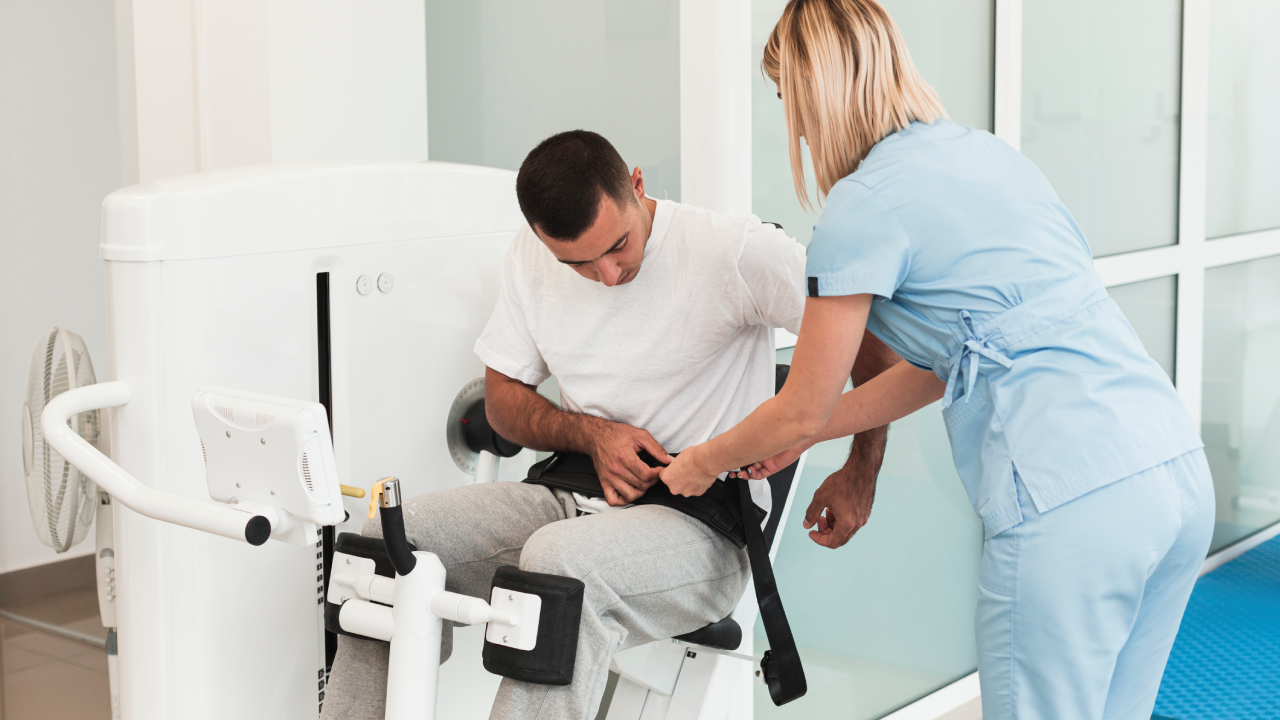
Physiotherapy for low back pain is not based on one routine for everyone. The process usually begins with a discussion about your symptoms, history, daily activities, and goals.
Your assessment may include:
- A discussion of your symptoms and medical history
- Movement and functional assessment
- Review of strength and mobility
- Discussion of activities that aggravate symptoms
- Exercise-based rehabilitation
- Gradual return to work, sport, exercise, or daily activities
- Advice on managing activity levels and movement habits
The approach depends on your symptoms, assessment findings, goals, and daily demands.
For some people, the main issue may involve work duties. For others, exercise habits, prolonged sitting, reduced mobility, or a previous injury may play a role.
The goal is to examine the full pattern instead of focusing only on where symptoms are felt.
Common Mistakes That May Keep Low Back Pain Returning
Here is where many people get caught off guard. Some everyday responses may unintentionally keep the cycle going.
Common examples include:
- Ignoring symptoms until daily activities become difficult
- Stopping all movement for too long
- Returning to heavy activity suddenly
- Repeating the same exercises without knowing whether they suit your situation
- Focusing only on the painful area
- Sitting for long periods without changing position
- Waiting for symptoms to disappear when they repeatedly return
None of these mistakes mean you have done anything wrong. Many people try to manage symptoms using information they find online or advice that worked for someone else.
However, recurring Low Back Pain may require a closer look at your own movement patterns and daily demands.
Low Back Pain Concerns in Port Credit and Mississauga
Daily routines in Port Credit and Mississauga can involve long commutes, desk-based work, repetitive job duties, lifting at home, recreational exercise, sports, and active weekends.
You may spend much of the week sitting, then suddenly increase your activity on the weekends. Another person may lift throughout the workday and then exercise after work.
These different routines can place different demands on the lower back.
If back pain that keeps returning affects your work, exercise, or daily activities, tracking your symptoms may help reveal when the problem appears.
FAQs
Why does my low back pain keep coming back?
Recurring symptoms can have several contributing factors. These may include movement habits, strength, mobility, workload, previous injuries, and sudden changes in activity. An assessment can help identify patterns.
Can physiotherapy help with recurring low back pain?
Physiotherapy may help assess movement, strength, mobility, activity demands, and symptom patterns. The approach depends on your individual findings and goals.
Should I exercise when my low back pain returns?
It depends on your symptoms and the activity involved. Some movement may be suitable, while certain activities may need adjustment. A physiotherapist can help you decide how to manage activity safely.
How long should I wait before seeking an assessment?
If symptoms are persistent, come and go, limit daily activities, or make exercise difficult, then think about an assessment rather than waiting for the problem to settle time and time again.
Can sitting for long periods contribute to recurring back symptoms?
Long periods in one position may contribute to symptoms for some people. Regular movement and changes in position may help reduce the demands of staying still for extended periods.
Do I need a referral to see a physiotherapist in Ontario?
Often you can book an appointment directly with a physiotherapist. Coverage rules can differ from insurance plan to insurance plan, so check your policy if you plan to claim treatment costs.
Moving Forward
If low back pain comes back, it is probably due to a mix of things. You should consider evaluating your movement patterns, workload, strength, mobility, activity levels, and recovery patterns.
You do not need to guess the cause on your own. A Back pain assessment may help identify patterns that are difficult to notice during everyday life.
If your symptoms continue to return, call Get Back Physio Clinic Mississauga at +1 416-259-0359 or contact our team to book an assessment at our Port Credit clinic, located at 507 Lakeshore Rd E Ste 200, Mississauga, ON L5G 1H9, Canada.