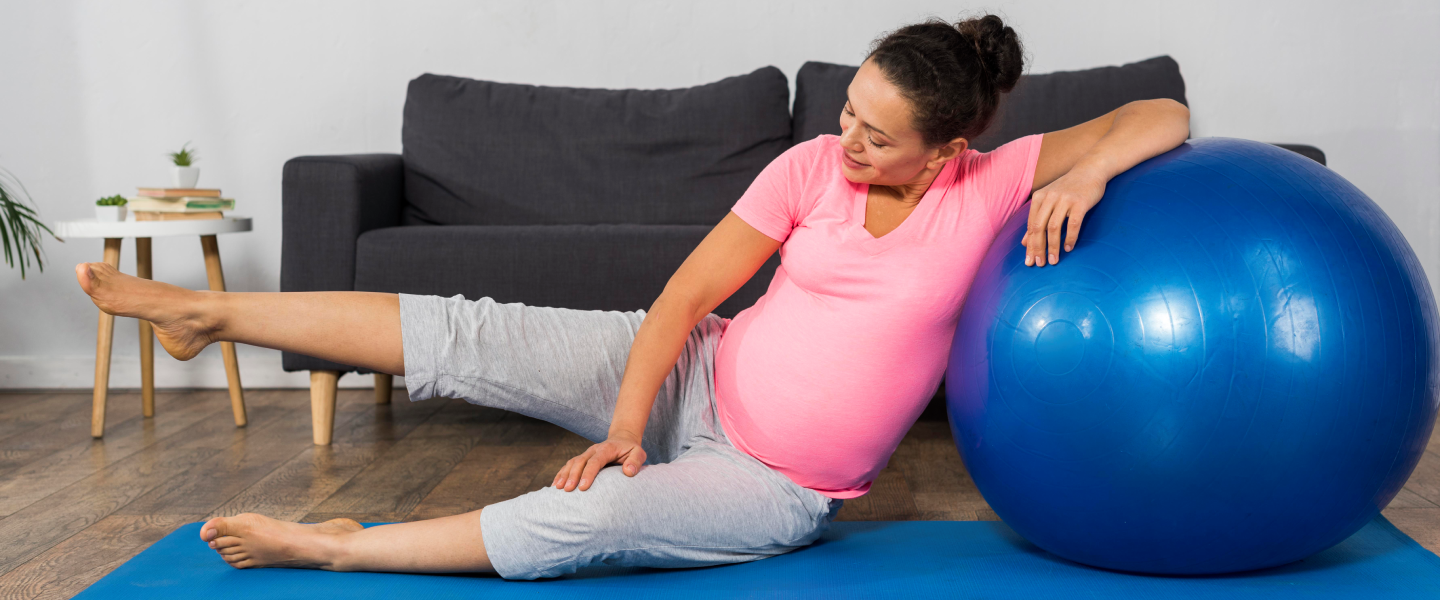
How Pregnancy and Postpartum Changes Affect Movement and Daily Comfort
Pregnancy brings exciting changes, but it also places new demands on the body. As your body adapts, you may notice back strain, pelvic discomfort, or changes in Posture that affect daily movement. After childbirth, recovery can feel just as challenging, especially when dealing with weakness or reduced stability.
This is where Prenatal and postnatal physiotherapy play an important role. It focuses on helping the body adjust during pregnancy and regain strength after delivery. With the right approach, it becomes easier to move, rest, and manage everyday tasks more comfortably.
What Prenatal and Postnatal Physiotherapy Involves
Prenatal and Postnatal Physiotherapy focuses on how the body changes before and after childbirth. It looks at movement, muscle strength, Posture, and overall function.
During pregnancy, it includes:
- Gentle movement routines
- Support for Posture and balance
- Techniques to manage strain on joints and muscles
After childbirth, it focuses on:
- Rebuilding muscle strength
- Improving core stability
- Supporting safe return to daily activities
It’s not just about exercises. It’s about helping the body adapt to change in a steady and practical way.
Why Physical Changes During and After Pregnancy Need Attention
Pregnancy affects nearly every part of the body. Without proper care, small issues can build up over time.
Common challenges include:
Back and pelvic discomfort
Added weight and shifting Posture can strain the lower back and hips.
Muscle weakness
Core and pelvic muscles often lose strength during and after pregnancy.
Postural changes
The growing belly shifts your center of gravity, affecting alignment.
Pelvic floor concerns
These muscles support bladder and bowel control and need proper care.
Recovery after delivery
Whether vaginal or C-section, the body needs time and support to regain strength.
Pregnancy physiotherapy care helps address these changes early, making daily life more manageable.
7 Ways Prenatal and Postnatal Physiotherapy Helps Improve Comfort During Pregnancy
1. Helps Reduce Back and Pelvic Strain
As the body changes, pressure on the lower back and pelvis increases. Guided movement and Posture correction can ease this strain and improve comfort during daily activities.
2. Supports Better Posture
Posture often shifts forward during pregnancy. Physiotherapy helps align the body, reducing stress on joints and muscles.
3. Strengthens Core Muscles Safely
Core muscles play a key role in stability. With prenatal physiotherapy exercises, these muscles are safely and controlledly activated.
4. Prepares the Body for Childbirth
Movement training and breathing techniques can help the body cope with the physical demands of labour.
5. Improves Movement Confidence
Simple tasks like walking, bending, or getting out of bed can feel different. Physiotherapy helps you move with more control and ease.
6. Supports Pelvic Floor Health
The pelvic floor goes through significant stress. Pelvic floor physiotherapy during pregnancy and postpartum can help maintain strength and function.
7. Encourages Active Recovery After Delivery
With postnatal physiotherapy, recovery becomes more structured, helping you gradually return to your daily routines.
How Physiotherapy Supports Recovery After Childbirth
Recovery doesn’t end after delivery. The body continues to adjust for weeks and months.
Pelvic Floor Strengthening
These muscles need focused attention after childbirth. Strengthening them supports bladder control and stability.
Core Muscle Activation
Reactivating the core is important for balance and movement. This is done gradually through controlled exercises.
Posture Correction
Feeding, carrying, and lifting can strain the body. Physiotherapy helps correct Posture to reduce discomfort.
Safe Return to Daily Activities
From lifting your baby to household tasks, movements are reintroduced step by step.
Movement Confidence
After childbirth, many people feel unsure about movement. Physiotherapy builds Confidence through guided progress.
Physiotherapy after childbirth ensures recovery is steady and avoids unnecessary strain.
Common Mistakes to Avoid During Pregnancy and Postpartum Recovery
Many people unintentionally slow their progress by following the wrong approach.
Ignoring early discomfort
Small issues can grow if left unaddressed.
Avoiding movement completely
Rest is important, but complete inactivity can lead to stiffness.
Returning to activity too quickly
Jumping back into routine too soon may cause setbacks.
Following generic online advice
Not every exercise suits every stage of pregnancy or recovery.
Skipping pelvic floor care
This area is often overlooked but plays a key role in recovery.
Prenatal and Postnatal Physiotherapy helps avoid these mistakes with structured support.
Pregnancy and Postpartum Care in Mississauga
Living in Mississauga often means balancing work, commuting, and family life. These daily demands can make it harder to focus on physical recovery.
Access to Prenatal and Postnatal Physiotherapy in Mississauga helps individuals manage discomfort while staying active in their routines. Whether it’s walking along Lakeshore or managing a busy schedule, proper care supports smoother movement throughout the day.
Local care also makes it easier to stay consistent with sessions and follow-up routines, which is important for steady progress.
FAQs
When should I start prenatal physiotherapy?
You can begin at any stage of pregnancy, especially if you notice discomfort or changes in movement.
Is physiotherapy safe during pregnancy?
Yes, when properly guided, it focuses on safe, controlled movements suited to each stage.
How soon can I begin physiotherapy after childbirth?
It often depends on your delivery, but many start gentle exercises within a few weeks.
Can it help with pelvic floor concerns?
Yes, pelvic floor care is a key part of both prenatal and postnatal support.
Do I need a referral in Mississauga?
In most cases, you can book directly without a referral.
Moving Forward
Pregnancy and postpartum recovery bring many physical changes, and it’s important to address them early. Whether you’re dealing with discomfort, weakness, or reduced movement, the right support can make everyday tasks feel more manageable.
If you’re in Mississauga and looking for structured support, consider visiting Get Back Physio Clinic at 507 Lakeshore Rd E, Suite 200, Mississauga, ON L5G 1H9, Canada. Book an appointment to assess your needs and take the next step toward steady, confident movement.