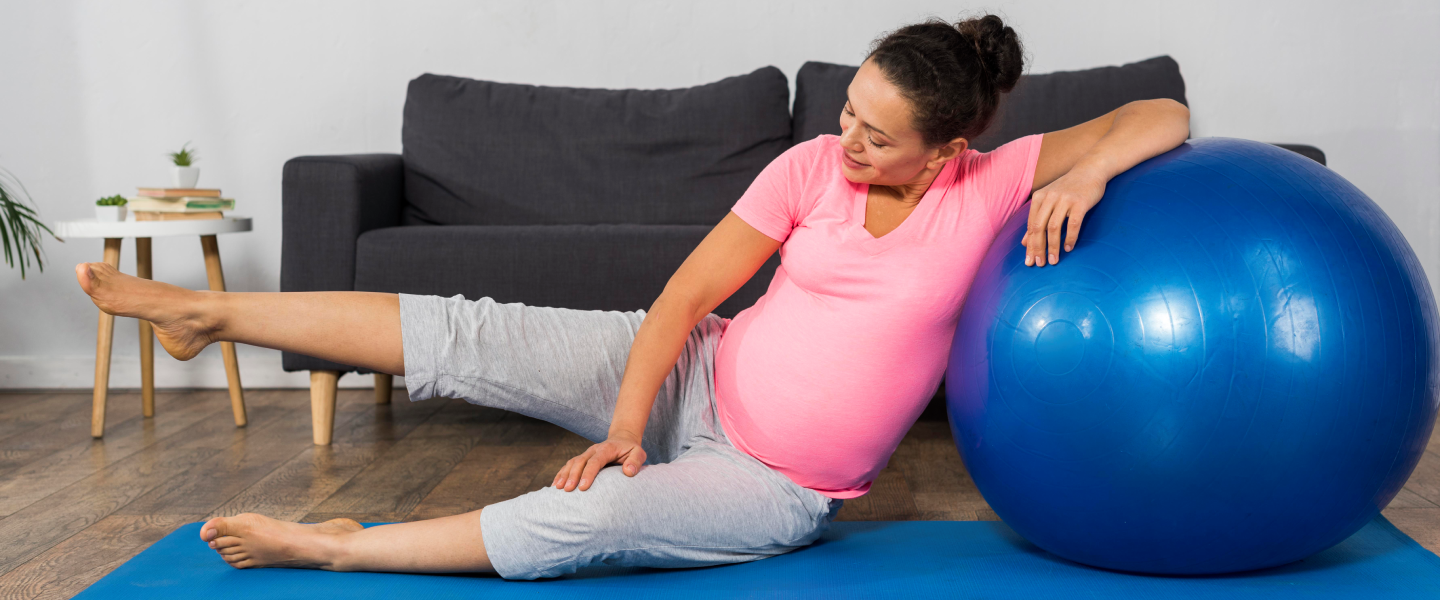
Honestly, How Common Is This?
Look, I’ve been working in physiotherapy for years, and I can tell you with complete confidence: pelvic pain in pregnancy is way more common than women realize. We’re talking 25-35% of pregnant women. That’s not a tiny percentage. That’s roughly one in every three women you see at your prenatal appointment.
But here’s what’s frustrating—most of these women just suffer through it. They assume it’s normal. Their doctors say “it happens” or suggest they just rest more. And then months go by with them barely able to roll over in bed or walk without pain.
It doesn’t have to be this way.
The women who come see us often say the same thing: “Why didn’t my doctor tell me about this?” or “I wish I’d known this could actually get better.” They describe the pain differently depending on what’s going on, but the most common complaint we hear is something like:
“It feels like my pelvis is coming apart. Walking is painful. Getting out of bed at night is a production. And sitting for more than 20 minutes makes it worse.”
Some describe it as sharp. Others say it’s more of a deep ache. A few women tell us it’s honestly worse than labor contractions (okay, maybe that’s an exaggeration, but they’re dealing with constant pain, not waves of it).
The point is: if you’re one of those women experiencing this right now, the first thing you need to know is that it’s fixable. And you don’t need surgery or weeks of bed rest. You need the right physiotherapy approach.
Why Your Pelvis Hates You Right Now
Okay, let’s talk about what’s actually happening in your body, because understanding this helps you stop blaming yourself for the pain.
The Hormone Thing (It’s Real)
Your body produces relaxin around week 10 of pregnancy. It’s designed to loosen your ligaments so your pelvis can expand for birth. Sounds great, right? Except… your pelvis wasn’t designed to be loose. It was designed to be stable. When the ligaments loosen up, your joints become unstable.
Think of it like this: imagine driving a car where the suspension is intentionally loosened. You’re technically moving forward, but everything feels wobbly. That’s your pelvis right now.
This is particularly noticeable if this is your second or third pregnancy. With the first baby, your ligaments are tighter, so you might get away with less pain. By pregnancy number two or three? Many women say it’s dramatically worse. That’s because your ligaments don’t fully tighten back up between pregnancies.
Your Core Is Basically Offline
Here’s what I see constantly: women come in with tight, overworked pelvic floor muscles AND weak deep abdominal muscles. It seems contradictory, but it happens because their body is trying to stabilize a loose pelvis with muscles that weren’t designed to do it alone.
Your deep core muscles (the transverse abdominis, in particular) are supposed to work WITH your pelvic floor to stabilize your pelvis. When pregnancy makes that job harder, your pelvic floor tries to compensate by becoming super tense. It’s like your muscles are throwing their hands up and saying “I’ll just stay contracted all the time and hope that helps.”
Spoiler alert: that doesn’t help. It just creates pain and fatigue.
Your Posture Changes (And Everything Goes Wrong)
Once you hit the second trimester and actually look pregnant, your center of gravity moves forward. Your body naturally leans back to compensate. This increases the curve in your lower back (what we call lumbar lordosis). Your pelvis tilts forward. Your glute muscles stop working properly. Everything is slightly off.
When everything is slightly off, small movements become painful. Rolling over in bed? Suddenly hard. Putting on pants? Annoying. Walking up stairs? Forget about it.
I had one patient—a teacher, actually—who used to walk a mile to work every morning. By month seven, she was booking Uber because even a short walk was making her cry. Two months of physiotherapy, and she was back to walking. Not because we did anything magic, but because we addressed the actual problem instead of just telling her to rest.
Sometimes It’s Old Injuries Coming Back
And then there are women who had pelvic or lower back injuries before they got pregnant. Maybe a car accident, maybe a fall from a few years back. They thought they were fine—they didn’t hurt anymore. But pregnancy stresses those old injury sites, and suddenly the pain is back.
We see this all the time with women who had sacroiliac joint (SI joint) pain years ago. They healed, moved on with life, got pregnant, and boom—SI joint pain is back with a vengeance.

That Moment You Know It’s Time to Call Someone
Not all pelvic pain needs physiotherapy. But most of it does. Here’s how to know the difference.
Definitely Call a Physiotherapist If:
- You’re limping or favoring one side
- You can’t roll over in bed without waking up
- Stairs are becoming impossible
- You’ve been dealing with pain for more than two weeks
- Pain is getting worse each week
- You’re avoiding activities because of pain
Honestly, if pain is affecting your daily life in any way, that’s reason enough to get professional eyes on it. We’re not going to charge you money just to tell you “it’s fine, rest more.” We’re going to actually help you fix it.
Urgent/Call Your Doctor Immediately:
- Pain in one spot that’s severe and sudden
- Bleeding plus pelvic pain
- Fever and pelvic pain
- You can’t control your bladder or bowels (sudden change)
- Pain after a fall or direct injury
That last one—bleeding or fever—that’s not pelvic floor stuff. That’s something your OB needs to rule out.
What Pelvic Floor Physiotherapy Actually Is (Not What You Think)
I’m going to be honest here: pelvic floor physio gets a weird reputation. People think it’s either magic or it’s weird. It’s actually just… good medicine.
Your pelvic floor is a group of muscles. That’s literally it. They’re shaped like a sling under your pelvis, and they hold up your bladder, uterus, and bowel. They help with core stability. They help with continence. They affect your sexual function.
During pregnancy, these muscles are under stress—literally bearing more weight. They can get tight, they can get weak, or they can get both (which is the most common scenario we see).
A pelvic floor physiotherapist has specialized training to assess these muscles and figure out what’s wrong. Then we fix it.
What We Actually Do:
Most people think “pelvic floor physio” means one thing. It doesn’t. For some women, it’s mostly manual therapy—me using specific techniques to release muscles that are locked up. For others, it’s mostly exercise. For most, it’s a combination of both.
We’re also going to spend time assessing your movement patterns. How do you stand? How do you walk? When you sit down, what do you do with your pelvis? Most people have no idea that the way they move is creating their pain.
We teach breathing techniques because honestly, a lot of pregnant women hold their breath when they move. That increases pelvic floor tension. Just learning to breathe properly can make a huge difference.
And yes, sometimes there is an internal examination. Look, I’m not going to pretend that’s fun or comfortable, but here’s why we do it: your external muscles tell me one story, but your internal muscles might tell me a completely different story. Without feeling what’s actually happening inside, I’m working blind. With it, I can identify exactly which muscles are tight, which are weak, and which are just exhausted.
Most women feel weird about it for literally 30 seconds, and then they’re like “oh my god, you can actually feel that knot I’ve been dealing with for three months?”
We have a specialized prenatal program specifically designed for pregnancy-related pelvic pain, and it’s different from our general pelvic floor work.
Our Approach in Mississauga
Here’s what I mean when I say we work differently with pregnant women:
We Don’t Just Hand You Kegels and Call It a Day
This is the worst part of the current system. Women get told to “do Kegels” for pelvic pain during pregnancy, and it makes them worse. They’re squeezing muscles that are already locked up. It’s like telling someone with a tension headache to tense their neck muscles harder.
Yes, pelvic floor strength matters. But most pregnant women don’t have weak pelvic floor muscles. They have tight, overworked ones. So we start by releasing that tension. Then, if they need strengthening, we teach them proper technique.
We Look at the Whole Picture
Pelvic pain usually isn’t an isolated problem. It’s connected to posture, breathing, movement patterns, and overall core function. We assess all of that. We’re not just looking at your pelvis; we’re looking at your entire system.
We Give You Stuff to Actually Do
You’ll get exercises, stretches, and movement strategies. But they’ll make sense. We’re not sending you home with a 15-exercise program. We’re giving you 3-4 things that directly address your problem, and you’ll understand why you’re doing them.
Most of our patients do their home program because they feel the difference immediately. That’s motivating.
We Work Within Your Comfort Zone
If internal treatment makes you uncomfortable, we’ll work around it. Honestly, we get better results with it, but we’re not forcing anyone. Some women start with external work and progress to internal later. Some never do internal work, and that’s fine—they still get better.
Your First Appointment: What Really Happens
You’ve probably been wondering about this. Let me walk you through it because knowing what to expect makes the whole thing less awkward.
When You Walk In (Seriously, What’s Happening)
You’re going to fill out some paperwork. Nothing surprising—medical history, pregnancy details, what your pain feels like, what makes it better or worse. You’re in a private room, no one’s watching.
Then you’ll meet with your physiotherapist. This is a conversation. We’re not rushing. We want to understand your story. When did it start? Was there a particular activity that made it worse? How’s it affecting your life? Have you tried anything yet, and did it help?
Most women tell us they’ve never actually talked to anyone about this in detail. They’ve mentioned it to their OB in passing, and they got a vague answer. This is probably the first time someone’s actually listening.
The Hands-On Assessment (Clothed Part)
You’ll change into something easy to move in. We’ll watch how you walk, sit, and stand. This tells us a lot. Are you walking normally, or are you guarding one side? When you sit, does your pelvis move properly?
We’ll do some basic strength and flexibility tests. Nothing painful. We’re just gathering information.
The Internal Assessment (If You’re Cool With It)
This is where people get nervous, so let me just be straightforward: it’s a physical exam. Similar to what your OB does, but more detailed and specifically focused on the pelvic floor muscles.
We have you lie on your side. We use a small amount of lubricant. We insert one finger (or sometimes two) and gently assess the muscle tone, strength, and coordination. We might ask you to squeeze so we can feel your muscles working. We’re checking for tender spots, areas of restriction, areas that are weak.
The whole thing takes maybe 10 minutes.
Does it feel weird? Yeah, probably. Is it painful? It shouldn’t be—if it is, tell your therapist and they’ll adjust their approach. Do most women feel relieved afterward because someone finally identified the actual problem? Absolutely yes.
The Explanation and Game Plan
After the assessment, we talk about what we found. “Your right side is really tight and your left side is kind of weak” or “You’re holding a ton of tension in your pelvic floor and your deep core isn’t working” or whatever the case is.
Then we explain how we’re going to fix it. You might do some stretching right there in the clinic. You might learn a breathing technique. You’ll definitely get some homework—specific exercises to do at home.
Most people leave that first appointment feeling like someone finally understands what’s going on. That alone is worth the visit.
The Timeline—When You’ll Actually Feel Better
Here’s what we usually see:
Weeks 1-2: Initial relief from tension release and you start understanding how to move differently. The fact that someone identified your problem helps psychologically. You might notice you can walk a bit more without as much pain.
Weeks 3-4: Real, measurable improvement. You’re sleeping better. Rolling over in bed doesn’t suck. You can sit for 45 minutes instead of 20. Most people at this point are like “okay, this is actually working.”
Weeks 5-8: Significant improvement. Pain is 50-70% better. You’re doing activities you stopped doing. You might have a bad day here and there, but you understand what triggered it and can manage it.
By 12 weeks: Most of our patients are either pain-free or managing with minimal pain. Some continue through the end of pregnancy as a maintenance program just to stay comfortable.
Important caveat: This isn’t automatic. If you do your exercises, follow the movement advice, and come in consistently, this is what happens. If you skip your home program and only come to appointments, progress is slower. That’s just reality.
Also, some women progress faster than others. Someone with mild pain and good compliance might feel 80% better in three weeks. Someone with severe pain who’s been struggling for four months might need longer.
But the trajectory is almost always upward. That’s the important part.
Preventing This Mess Before It Starts
If you’re not pregnant yet and reading this because you’re worried, here’s what actually helps:
Start core work now. Not six-pack abs—deep core stability. Your transverse abdominis, your multifidus, your pelvic floor. These muscles prevent pain during pregnancy. Most women don’t have baseline strength in these areas.
Address any existing pelvic floor issues. If you’ve had pain, incontinence, or anything weird going on down there, get it sorted before pregnancy. It’s way easier to fix it now.
Work on flexibility. Especially hips and hamstrings. Tight hips change your pelvic mechanics.
Learn how to move. This sounds simple, but most people don’t. Learning proper lifting mechanics, bending patterns, and how to roll over in bed makes a huge difference.
If you’re already pregnant and reading this… yeah, it’s a little late for that advice. But you can still do these things starting now. Pregnancy pelvic pain usually shows up around month five or six. If you start physiotherapy at month four, you can often prevent it from getting bad.