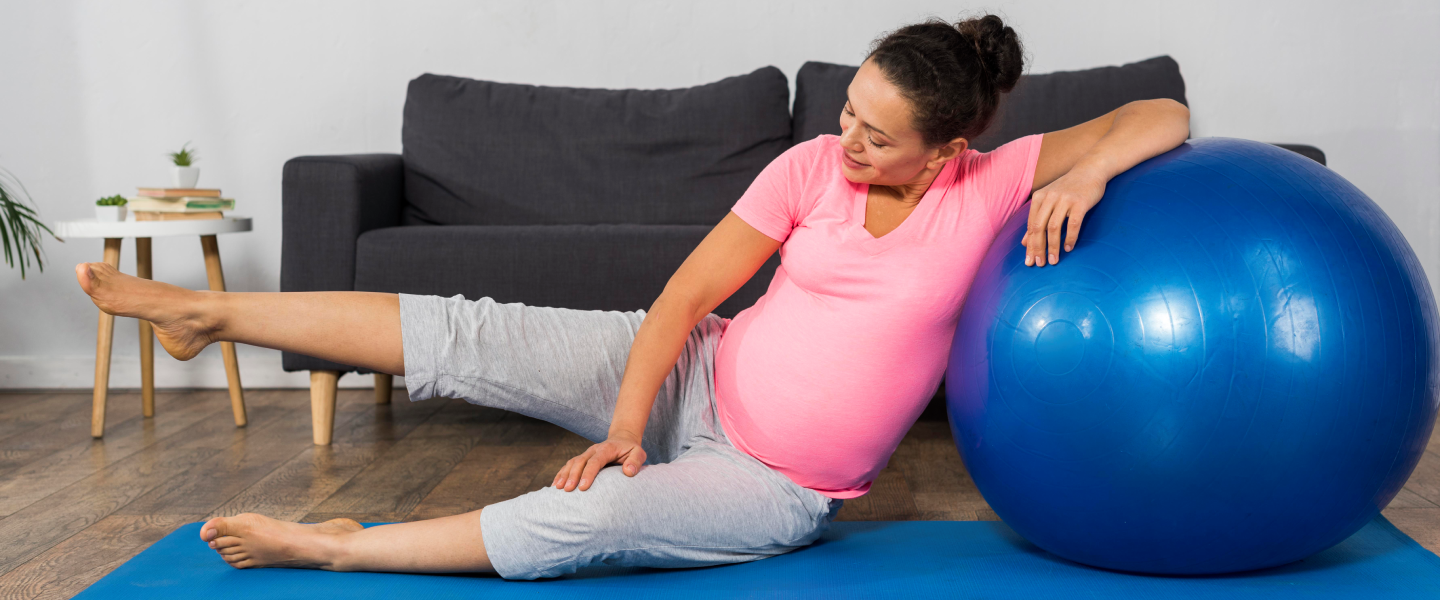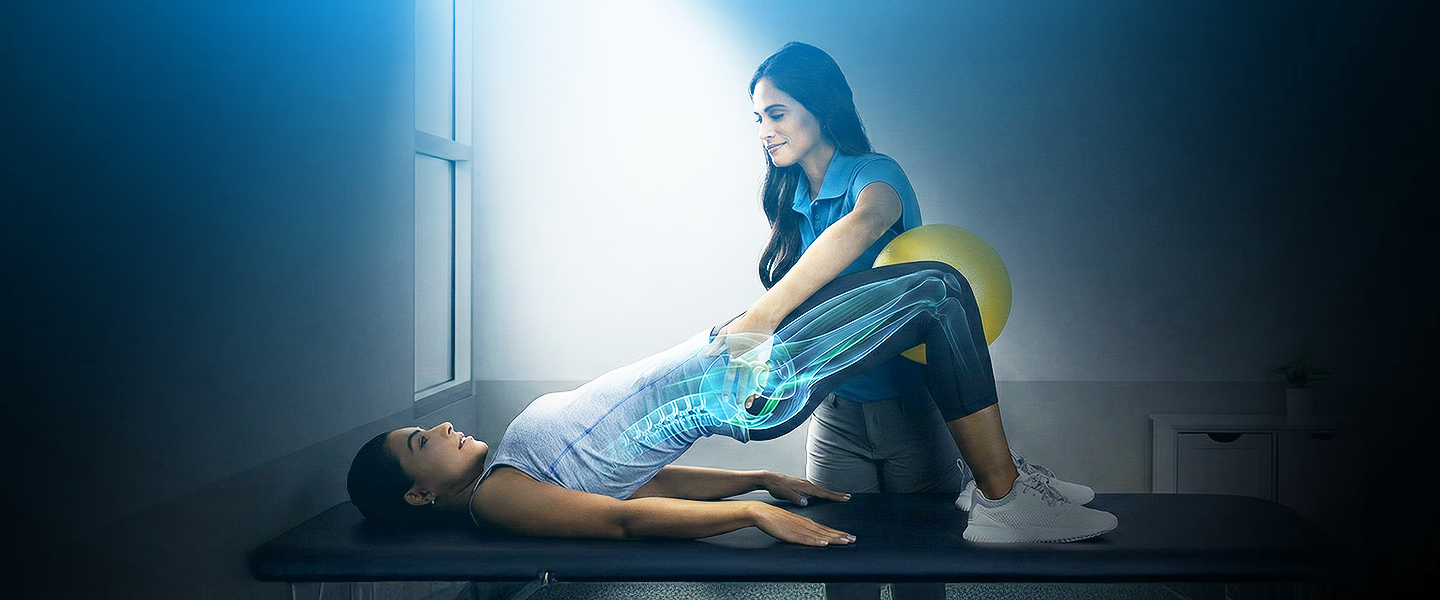
Women have gone through pregnancy or postpartum recovery. During this period, it’s quite natural for them to pay attention to their pelvic muscles. But men are least concerned about it.
However, regardless of their gender or age, a healthy pelvic floor equally demands attention from both of them. Why? It supports their
- Bladder and bowel control
- Strong core stability
- Smooth intimate performance
- Quick recovery from pregnancy and prostate surgery
Still, often pelvic health is either neglected or misunderstood until chronic symptoms interfere. It started affecting daily activities, exercise, work, and intimacy. At our clinic, we see this every week while providing pelvic physiotherapy in Mississauga to patients of all ages.
To create awareness and to normalize the conversation, we’ve put together the most practical tips on how to keep a healthy pelvic floor. These we often share with our patients as well.
So, let’s talk about what you can do.
How to Keep Your Pelvic Floor Healthy? Save tips from Our Pelvic Physiotherapy Clinic, Mississauga
First, know your pelvic floor muscles
Are you aware of where your pelvic muscles are?
Or, do you know how they work?
They’re located at the bottom of the pelvis. While in males, they’re found surrounding the anus and the urethra, in females, they cover the urethra, vagina, and anus. It makes up a supportive hammock for regulating easy bladder and bowel movements.
However, with a lack of proper awareness, you might be triggering the wrong muscles when you do pelvic floor exercises. This is the reason why most of them do regular Kegel exercises and still experience little or no improvement. And, further rush to chronic pain physiotherapy treatment at Mississauga.
Stick to a healthy diet & bladder habit
What you eat and drink, how carefully you manage your bladder habits, it all directly affects your pelvic floor.
If, “just in case,” you limit your water intake, avoid fibre-rich meals, or strain your bladder or bowel to quickly empty, it gradually becomes harmful. You’re doing nothing but confusing your bladder and bowel signals, making the pelvic floor unhealthy over time.
Breathe normally & prioritize quality while exercising
Do you hold your breath long during simple exercise or heavy lifting?
Or, is doing too much repetition beyond your capability?
Don’t do it anymore. When you breathe normally, it stimulates lung capacity. It ensures a consistent oxygen supply to your pelvic region. And, when you practise slow exhales and deep inhales along with the right form of daily exercise, it smoothly rhythmizes your pelvic muscles’ contraction and relaxation.

Change motion & add relaxation between contractions
Your pelvic muscles need to be strengthened, not tightened. Therefore, relaxing them is really important.
But often it’s overworking or overpressurizing. You miss the balance between flexibility and strength. So you need to change position between workouts, avoid prolonged sitting, and gently stenching to fix your mobility. This will help your pelvic muscles function better.
Normalize practicing healthy lifestyle habits
Your lifestyle also influences the functioning of your pelvic floor muscles. Hence, a slight change in it can be significant.
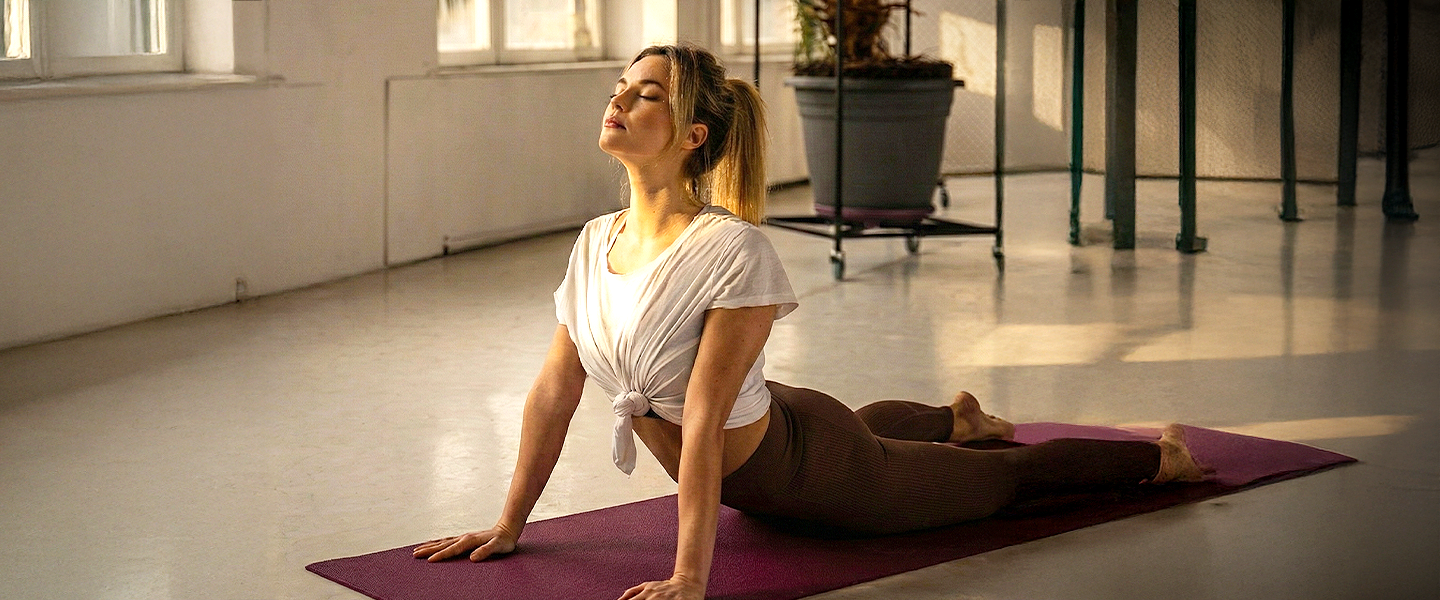
Start slow: Hydrate yourself without fail. Keep your ideal weight. Don’t forget to attain a good posture. Quit your plans of consuming alcohol, caffeine or smoking. Invest your time in activities like swimming, yoga, or simple walking that suit your regular regime.
If you haven’t tried it yet, change your approach to experience the good side of it. It’ll not just regulate smooth blood circulation in your pelvic floor, but also support quick recovery if there’s an issue.
Seek professional physiotherapist guidance
What did you feel so far: a prolonged pain, dysfunction, or even a burning sensation?
The longer you ignore this issue in your pelvic floor, the more damage you might incur. Additionally, you might practice recovery steps that might work for others, but you.
Remember, your pelvic health is unique. This is why blindly relying on safety precautions in your home is not always a best idea. It is, therefore, advisable that any time you feel a minor symptom of discomfort in your pelvic floor, you seek an experienced pelvic floor physiotherapy. They’ll help you identify what ailed and guide you through the process of recovery as well.
Track your progress & be motivated
Do trust the process. As it all includes muscle training, you’ll have to wait. Don’t expect better results too early.
Instead, you can closely monitor yourself. Track frequency of leakage, urgency of urination, comfort, and confidence during exercise and intimacy, and better control. These non-linear progress will help you understand the difference and decide whether you’re heading in the right direction.
Final Thoughts from Our Pelvic Health Physiotherapy Clinic in Ontario, Mississauga
You see, your pelvic floor is just like any other part of your body. It’s meant to be healthy. But if it’s injured, then yes, it can definitely be cured. Your injured pelvic floor needs a little extra care, to be loved and rehabbed back to normal.
And give yourself another favor. No matter whether it’s an acute or chronic pain, consult an expert physiotherapist to treat the injured muscles in your pelvic area. You can contact us and book an appointment with Get Back Physiotherapy in Mississauga. You’ll get the treatment for injured pelvic muscles to contract, relax, and coordinate appropriately in the long run.